Quick Answer
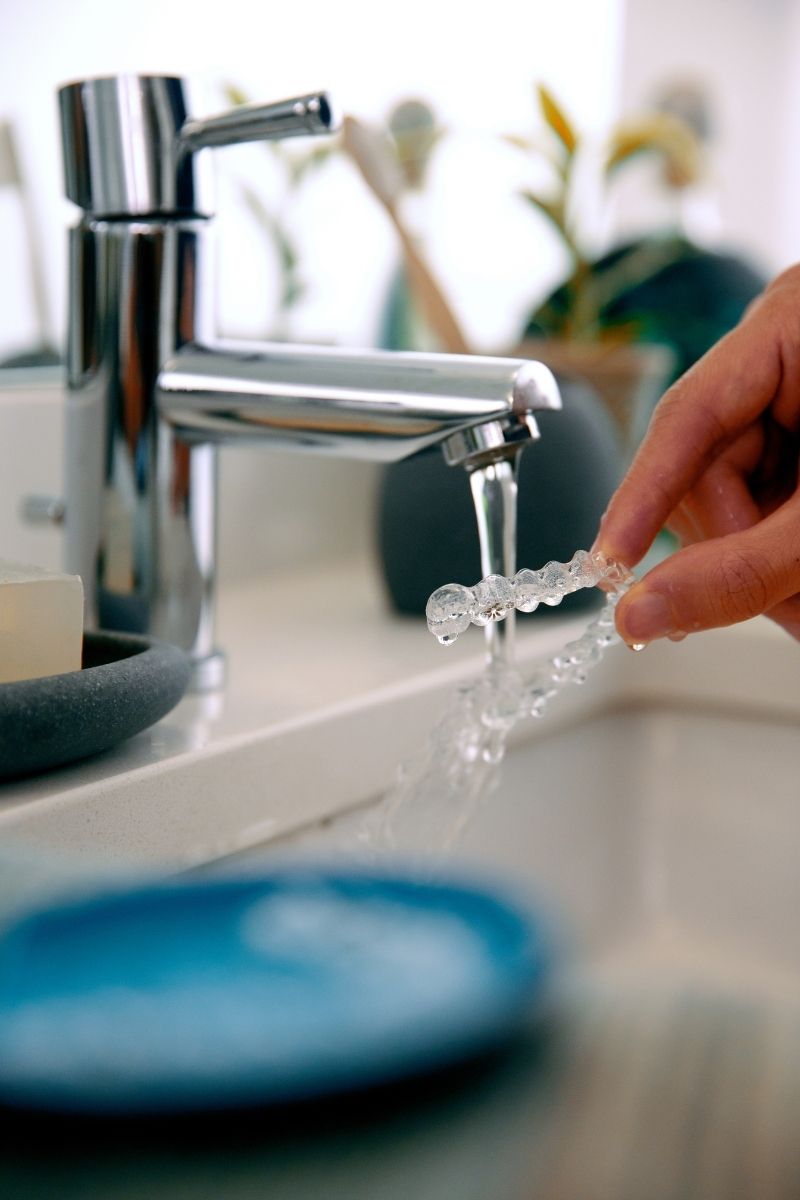
Teeth can move after braces or Invisalign because the bone, gums and fibres around the teeth need time to stabilise, and because teeth naturally shift throughout life. Retainers are the main way to maintain orthodontic results. For many patients, long-term night-time retainer wear is needed to keep the smile stable.
One of the most common adult orthodontic stories is this:
“I had braces when I was younger. My teeth were straight. Then I stopped wearing my retainers. Now they have moved again.”
This is not rare. It is one of the most common reasons adults seek Invisalign or braces later in life.
The good news is that relapse can often be treated. The better news is that it can often be prevented.
Why Do Teeth Shift?
Teeth are not fixed permanently in bone like tiles set in cement. They are held in place by living tissues that respond to pressure, chewing forces, tongue posture, habits and age.
After orthodontic treatment, the teeth have been moved into new positions. The surrounding bone and fibres need time to reorganise. If retainers are not worn, the teeth may gradually drift.
Other factors can also contribute:
- natural ageing changes
- pressure from lips, cheeks and tongue
- clenching or grinding
- wisdom teeth or late dental changes
- gum disease or bone loss
- missing teeth
- incomplete retention after treatment
Why the Lower Front Teeth Often Move First
Many adults notice relapse first in the lower front teeth. This area is particularly prone to crowding as we age.
Even people who never had braces may notice lower front teeth becoming more irregular over time. For someone who previously had orthodontic treatment, the tendency can be stronger if retainers are not worn.
Does Relapse Mean the Original Treatment Failed?
Not necessarily.
Orthodontic treatment may have been successful at the time. Relapse often happens because retention was not maintained. This is why modern orthodontists spend so much time explaining retainers.
Retention is not an optional extra. It is part of the treatment.
Can Invisalign Fix Relapse After Braces?
In many cases, yes.
Invisalign is often a good option for adults who had braces earlier and now have:
- mild to moderate crowding
- reopened gaps
- shifted front teeth
- bite changes after relapse
- cosmetic concerns before a wedding, event or professional milestone
Relapse cases may sometimes be faster than first-time comprehensive treatment, but this depends on the bite, gum health and amount of movement required.
What If You Still Have an Old Retainer?
If your old retainer feels tight, do not force it in. Forcing an old retainer over shifted teeth can cause pain, gum pressure or unwanted tooth movement.
Book an orthodontic assessment. Sometimes a new retainer is enough. In other cases, mild retreatment may be needed before a new retainer is made.
How to Prevent Teeth Moving Again
The most important step is wearing retainers as instructed.
Retention may include:
- clear removable retainers
- fixed bonded retainers behind the front teeth
- Vivera retainers
- periodic retainer checks
Many orthodontists recommend night-time retainer wear long term. This is especially important for patients who already experienced relapse once.
Retainer Checks Matter
Retainers can wear out, crack or stop fitting properly. Fixed retainers can also debond without the patient noticing immediately.
A retainer check helps confirm:
- the retainer still fits
- fixed wires are intact
- teeth are stable
- there is no relapse starting
- oral hygiene around retainers is healthy
The Bottom Line
Teeth move because the mouth is a living system. Orthodontic treatment creates the result; retention protects it.
If your teeth have shifted after braces or Invisalign, you are not alone. The best step is an orthodontic assessment to determine whether you need a new retainer, minor retreatment or a more comprehensive plan.
What Dr. Siju Recommends for Long-Term Stability
After treating over 12,000 orthodontic cases, Dr. Siju George has seen firsthand what works — and what doesn't — when it comes to keeping teeth in their corrected positions. At Wassan Dental Centre, retention is treated as an essential part of the treatment plan, not an afterthought.
Dr. Siju typically recommends a combination of fixed and removable retainers. A bonded wire retainer behind the front teeth provides passive, continuous retention. A removable retainer — either a standard Essix-type or a premium Vivera retainer from Align Technology — adds an additional layer of protection and can be adjusted or replaced if needed.
The key message Dr. Siju shares with every patient is straightforward: your teeth will always have a tendency to shift. Retainers are not a temporary measure — they are a long-term commitment that protects the investment you made in treatment. Patients who wear their retainers as recommended maintain their results far better than those who stop wearing them after a few months.
For patients who have already experienced relapse — teeth that have shifted after previous orthodontic treatment — Invisalign can often re-align the teeth efficiently. Many retreatment cases require fewer aligners and shorter treatment time than the original treatment.
Frequently Asked Questions
Is it normal for teeth to move after braces?
Can retainers move teeth back?
How long do I need to wear retainers?
Can Invisalign fix teeth that moved after braces?
Do fixed retainers replace removable retainers?
About the Author
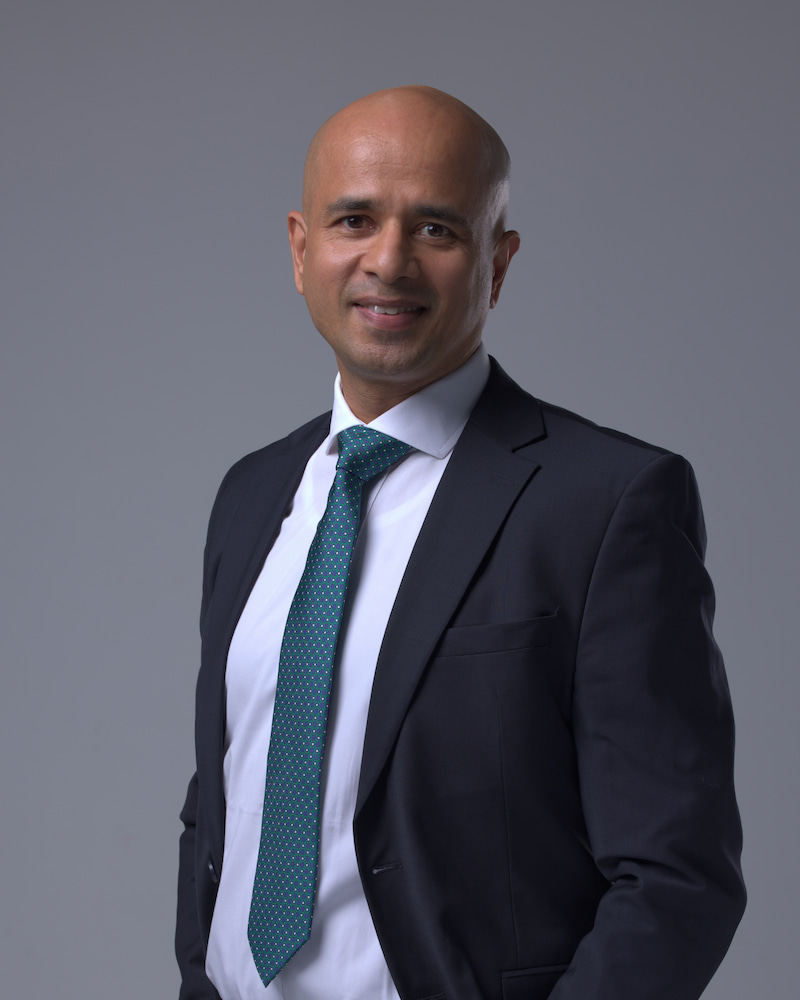
Dr. Siju George is a Specialist Orthodontist and Blue Diamond Invisalign Provider at Wassan Specialty Dental Centre, Muscat. With 20+ years of experience and over 12,000 cases treated, Dr. George holds an MSc in Aligner Orthodontics from the University of Turin and is the only Blue Diamond Invisalign Provider in Oman.
Book a Consultation with Dr. Siju George
Wassan Dental Centre, Al Khuwair, Muscat. Open Saturday – Thursday, 9:00 AM – 8:30 PM. A clinical examination and digital scan can show you what treatment involves — with no pressure and no obligation.