
It's the question I answer more than any other: "Should I get Invisalign or braces?"
And my honest answer, every time, is: it depends.
Not on which one is "better" — because both are excellent orthodontic tools that have helped millions of people worldwide. It depends on your specific teeth, your bite, your lifestyle, your age, and what you're trying to achieve.
What I can do in this article is lay out the real differences — not the marketing version, but the clinical and practical reality — so you can walk into your consultation with the right questions in mind.
"It depends on your specific teeth, your bite, your lifestyle, your age, and what you're trying to achieve." — Dr. Siju George
How They Work: The Fundamental Difference
are fixed to your teeth for the duration of treatment. Metal or ceramic brackets are bonded to each tooth, connected by an archwire that applies continuous pressure. Your orthodontist adjusts the wire at regular appointments to progressively move teeth into position. You cannot remove braces yourself – they stay on 24 hours a day until treatment is complete.
uses a series of custom-made clear plastic aligners that fit over your teeth. Each set of aligners makes small, precise movements. You wear each set for one to two weeks, then switch to the next. The aligners are removable – you take them out to eat, drink, and brush your teeth – but must be worn 20-22 hours a day for treatment to work.
Both systems move teeth through the same biological process: controlled pressure triggers bone remodelling around the tooth roots, allowing teeth to shift position gradually. The difference is in the delivery mechanism.
Results: Can Invisalign Do What Braces Can?
This is where the biggest misconception lives. Ten years ago, the honest answer was "not always." Invisalign was excellent for mild to moderate crowding and spacing but struggled with complex bite corrections.
That's changed dramatically. Today's Invisalign system – with SmartTrack material, precision attachments, and advanced ClinCheck planning software – can treat the vast majority of orthodontic cases that braces can.
Cases I routinely treat with Invisalign at Wassan
- Severe crowding
- Open bites
- Deep bites
- Crossbites
- Class III malocclusions (underbites)
- Cases other clinics said needed surgery or extractions
I've treated patients like Amy, a school student with an underbite and overcrowding, and cases of skeletal Class III malocclusion – all with Invisalign, achieving results that a decade ago would have required fixed braces or surgical intervention.
When braces are still the better choice
There are cases where I recommend braces over Invisalign. I believe in giving patients the right tool, not the most expensive one. Braces may be preferable when:
- A young child needs phase 1 interceptive treatment with specific fixed appliances
- Certain complex tooth movements require the continuous, precise control that brackets and wires provide
- The patient's compliance is a concern – braces work 24/7 regardless of whether the patient remembers to wear them (this is relevant for some teenagers)
- Specific clinical situations require fixed attachments that aligners can't replicate
A good orthodontist will tell you which option suits your case, even if it's not the more expensive one.
Comfort and Daily Life
This is where most patients feel the difference most directly.
You'll have metal (or ceramic) brackets bonded to your teeth. The inside of your lips and cheeks will take a week or two to adapt – ulcers and irritation in the early days are common. Wires can poke. Certain foods are off-limits: no popcorn, no chewing gum, no biting into apples. Oral hygiene requires extra effort – brushing around brackets takes longer, and flossing requires threaders. Adjustment appointments can cause 2-3 days of soreness.
The aligners are smooth plastic – no brackets, no wires, no cuts inside your mouth. You remove them to eat, so there are no food restrictions. Brushing and flossing are normal – take out the aligners, clean your teeth as you always would, put them back in. New aligners may cause some pressure and mild soreness for a day or two, but most patients describe it as significantly less than braces.
You must wear the aligners 20-22 hours a day. Taking them out for a dinner and forgetting to put them back in — or leaving them out during Ramadan fasting hours and not compensating — can delay treatment. Braces don't require that self-discipline because you can't remove them.
Appearance
Let's be straightforward: this matters to most patients, and there's no shame in it.
Invisalign aligners are nearly invisible. Most people won't notice you're wearing them unless they're looking closely. For working professionals, teachers, people in public-facing roles, or anyone who simply doesn't want to announce their orthodontic treatment to the world, this is a significant advantage.
Metal braces are visible. Ceramic braces (tooth-coloured brackets with a less visible wire) are a middle ground – less noticeable than metal but not invisible. Lingual braces (placed behind the teeth) are hidden but can affect speech and tongue comfort.
For teens – and this comes up constantly at Wassan – the choice often involves a negotiation between parent and child. Many Omani parents associate braces with effective treatment (they're visible proof that something is happening), while teens increasingly want Invisalign because of social media, selfies, and self-consciousness. In my experience, when I show both parent and teen the digital smile simulation and explain how Invisalign works for their specific case, both parties usually find common ground.
Treatment Duration
A question everyone asks: "Which one is faster?"
The honest answer: for comparable cases, treatment time is similar. Most orthodontic treatments – whether braces or Invisalign – take 12 to 24 months, depending on complexity.
Mild crowding cases with Invisalign can sometimes be completed in 6-9 months. Complex bite corrections may take 24 months or more regardless of the system used.
What does sometimes differ is the number of clinic visits. Braces typically require adjustments every 4-8 weeks. Invisalign patients often have longer intervals between check-ups – I may provide 3-4 sets of aligners at once, meaning fewer trips to the clinic. For patients driving from Nizwa, Sohar, or Sur, this is a practical consideration.
Cost in Oman
Cost is the number one concern I hear from patients, and I respect that. Let me be direct about the landscape.
In Oman in 2026, you can expect approximately:
- Metal braces: OMR 800 – 1,500 depending on case complexity and clinic
- Ceramic braces: OMR 1,000 – 2,000
- Invisalign: OMR 1,500 – 3,500+ depending on case complexity (Lite, Moderate, Comprehensive)
The range is wide because cost depends on how many aligners your case requires, how complex the treatment plan is, and the provider's experience level. A mild spacing case requiring 14 aligners is very different from a full bite correction requiring 40+ aligners with refinements.
At Wassan, we offer flexible installment plans – and when you spread the cost over the treatment period, it often works out to less than the price of a couple of coffees a day. Many insurance plans in Oman also provide partial coverage for orthodontic treatment, which can reduce your out-of-pocket cost.
We also hold Invisalign Open Days and Smile Fest events periodically, where consultations include a free digital scan and smile simulation – a chance to see your projected result and understand costs before committing.
How to Decide
Rather than thinking "Invisalign vs braces," think about what matters most to you:
- Aesthetics and discretion are important to you
- You want the freedom to eat without restrictions
- You're disciplined enough to wear aligners 20-22 hours daily
- You want easier oral hygiene during treatment
- You need fewer clinic visits (especially if traveling from outside Muscat)
- You'd prefer a "set it and forget it" approach
- Compliance with removable aligners is a concern
- Your orthodontist recommends them for your specific case
- Budget is the primary factor and your case suits a straightforward braces approach
- See a specialist orthodontist, not just a general dentist
- Ask about their specific experience with your type of case
- Look at before-and-after results for cases similar to yours
- Understand the full treatment plan before comparing prices
My Perspective
I treat patients with both Invisalign and braces. my recommendation is always based on what will give you the best result for your specific situation.
That said, after treating over 12,000 cases, I've seen the capabilities of clear aligners expand enormously. Cases I would have put in braces five years ago, I now treat with Invisalign – with equal or better results and far greater patient satisfaction.
The technology has evolved. The question isn't "can Invisalign fix this?" anymore. For most cases, it can. The real question is: "Who is planning your treatment?"
"The most important factor in your result isn't the system. It's the specialist behind it." — Dr. Siju George
Frequently Asked Questions
Is Invisalign better than braces?
Can Invisalign treat complex cases?
Which is easier for daily life?
How should I choose?
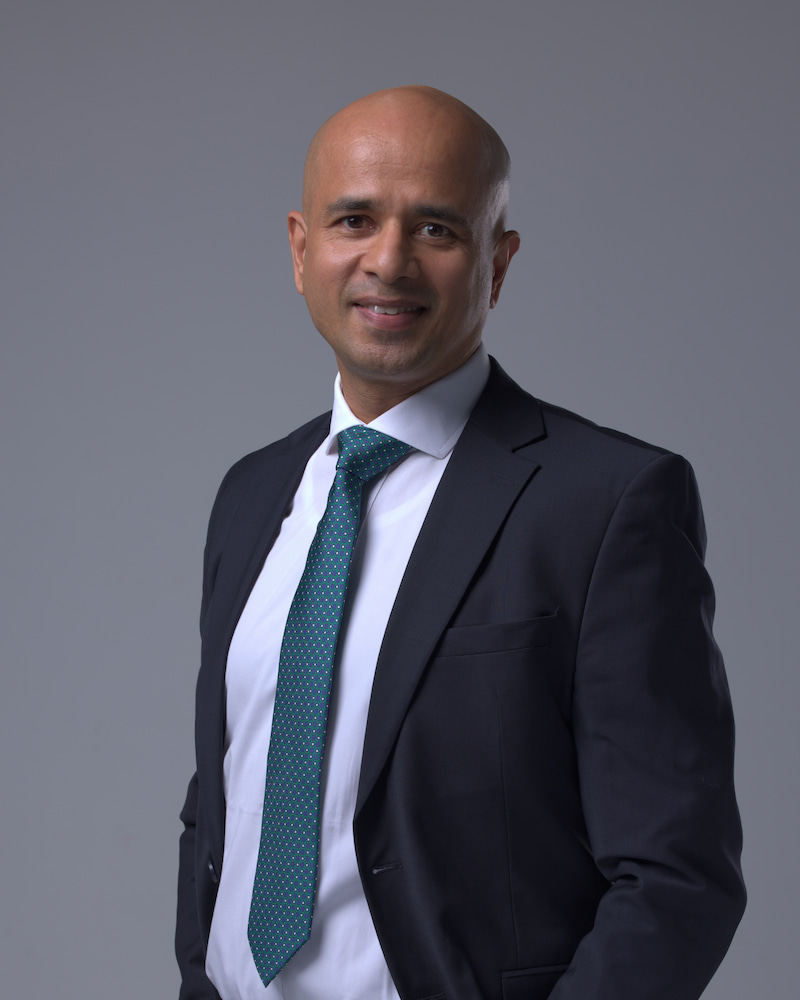
About the Author
Dr. Siju George is a Specialist Orthodontist and Blue Diamond Apex Invisalign Provider at Wassan Specialty Dental Centre, Muscat. With 20+ years of experience and over 12,000 cases treated, Dr. George holds an MSc in Aligner Orthodontics from the University of Turin and is the only Blue Diamond Apex Invisalign Provider in Oman.
Book a Consultation with Dr. Siju George
Wassan Dental Centre, Al Khuwair, Muscat. Open Saturday – Thursday, 9:00 AM – 8:30 PM. A clinical examination and digital scan can show you what treatment involves — with no pressure and no obligation.