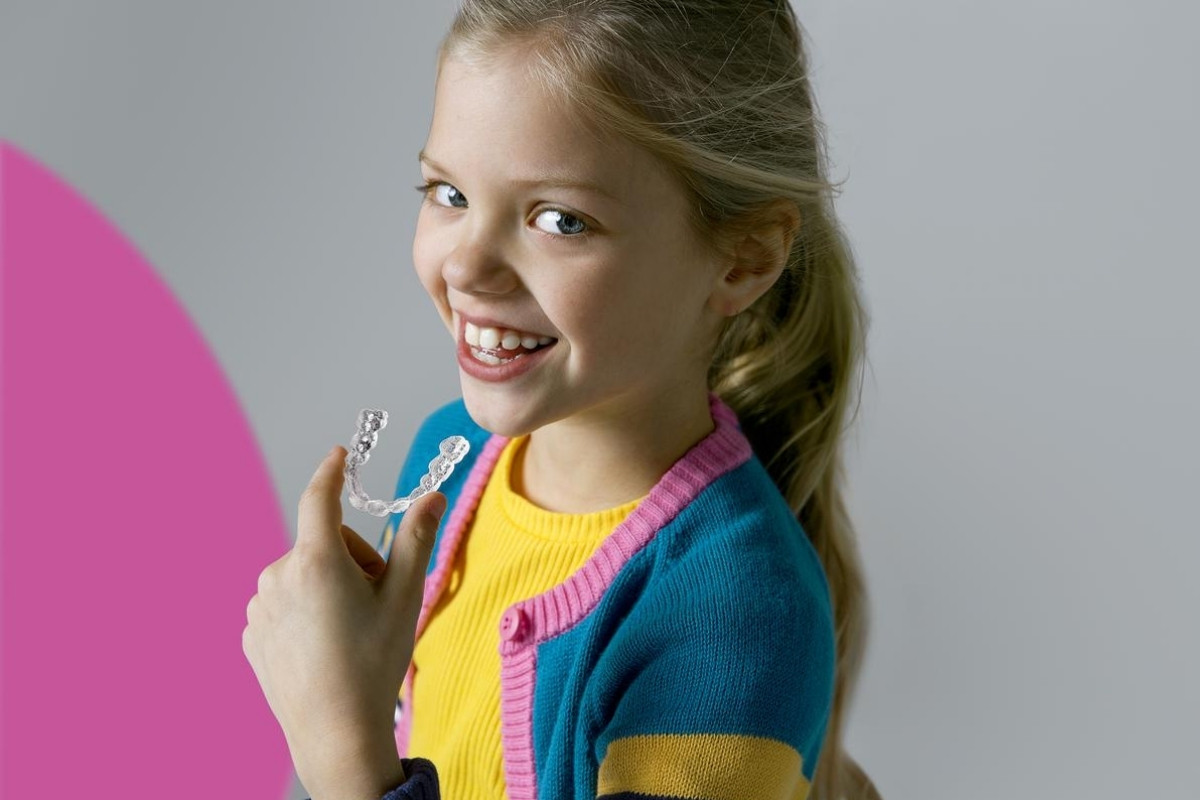
Why Age 7? That Seems Young
I know – it surprises most parents. Their child still has baby teeth. Nothing looks dramatically wrong. Why would they need an orthodontist?
The answer is that age 7 is when certain problems first become detectable – and when they're often easiest to address.
By age 7, a child's first adult molars and incisors have typically erupted. This gives an orthodontist enough information to assess:
- Whether the jaws are growing symmetrically
- Whether there's enough space developing for the remaining permanent teeth
- Whether the bite is forming correctly (or if crossbites, open bites, or deep bites are emerging)
- Whether any habits – thumb-sucking, tongue thrust, mouth breathing – are affecting development
An assessment at this age is not about starting treatment. In the majority of cases, I see a seven-year-old and say: "Everything looks good. Let's see them again in a year." The parents leave reassured, and the child doesn't need anything done.
But in the cases where something is off – a narrow palate, a crossbite, an ectopic canine heading the wrong direction – catching it now means we can intervene simply and effectively, often preventing a much more complicated treatment later.
What Parents Should Watch For
You don't need a dental degree to notice early warning signs. Here's what to pay attention to:
Mouth breathing. If your child habitually breathes through their mouth – especially during sleep – it's not just a harmless habit. Chronic mouth breathing can affect jaw development, facial growth, and tooth alignment. It can also disrupt sleep quality, leading to a child who is always tired, struggles to concentrate in school, and is irritable during the day.
I see this pattern regularly. Parents bring in a child for crooked teeth, but the underlying issue is airway-related. The narrow palate isn't just causing crowding – it's restricting the nasal airway. In selected cases, addressing jaw width or bite relationships may support better airway function, but breathing and sleep symptoms should be assessed medically when needed. That "lazy" or "unfocused" child may actually have a treatable structural problem.
Thumb-sucking or pacifier use beyond age 4. Prolonged sucking habits exert persistent pressure on the upper front teeth and palate. This can create an open bite (front teeth don't meet when biting), push the upper teeth forward, and narrow the upper jaw. The earlier the habit stops, the more likely these changes are to self-correct. If it continues, orthodontic intervention may be needed.
Early or late loss of baby teeth. Baby teeth fall out in a fairly predictable sequence. Losing them much earlier than expected (before age 5-6 for front teeth) or much later (baby canines still present at age 13) can signal underlying problems – either teeth coming through in the wrong position or permanent teeth that aren't developing correctly.
Crowding or spacing that's already visible. If the adult front teeth are coming in crowded, overlapping, or with large gaps, it's worth an assessment. Not to start treatment immediately – but to understand whether the problem will self-correct as more teeth come through or whether it's likely to worsen.
Difficulty chewing or biting. If your child avoids certain foods, bites their cheek frequently, or has an unusual chewing pattern, it may indicate a bite problem that an orthodontist can identify.
Snoring. Snoring in children is not normal and not cute. It can indicate obstructive breathing during sleep, which is sometimes linked to jaw development issues. If your child snores regularly, mention it to your dentist and consider an orthodontic airway assessment.
What Happens at a First Orthodontic Visit
If you're imagining a child strapped into a chair with instruments everywhere – relax. A first orthodontic visit for a young child is gentle, quick, and usually uneventful.
At Wassan, here's what it involves:
I examine the teeth, bite, and jaw – looking at how the adult teeth are coming in, whether the jaws are developing symmetrically, and whether there are any habits or structural issues to note. We take a digital scan (no messy impressions – children appreciate this) and photographs. If needed, a panoramic X-ray shows the developing teeth inside the bone, revealing potential impactions or missing teeth that aren't visible clinically.
From this, I can tell you: - Whether everything is on track (most common) - Whether we should monitor and re-check in 6-12 months - Whether early intervention is recommended – and if so, exactly what and why
The visit typically takes 20-30 minutes. It doesn't hurt. Most children are relaxed by the end of it, especially once they see the 3D scan of their own teeth on screen – that tends to fascinate them.
Early Intervention: What It Looks Like
When I do recommend treatment for a young child, it's not full braces on every tooth. Early intervention – sometimes called Phase 1 or interceptive treatment – is focused and targeted. Common early interventions include:
Widening a narrow upper jaw to create space for permanent teeth and improve the bite. This can be done with a traditional expander or, for suitable cases, the Invisalign Palatal Expander – a removable, clear aligner-based system that children find much easier to tolerate.
If a baby tooth is lost early, a simple space maintainer prevents adjacent teeth from drifting into the gap, preserving room for the permanent tooth to erupt.
For persistent thumb-sucking or tongue thrust, an appliance can gently discourage the habit while allowing the teeth and jaws to correct.
For certain jaw discrepancies – such as an upper jaw that's too far forward or a lower jaw that's underdeveloped – functional appliances can guide growth during the years when growth is most active.
These interventions are typically shorter than full orthodontic treatment – often 6-12 months – and are designed to simplify whatever treatment may be needed later.
The Cost of Waiting
I want to be clear: not every child needs early orthodontic treatment. Many don't. And I will never recommend treatment that isn't necessary.
But when early treatment is indicated and the family waits – sometimes because they're told "let all the adult teeth come through first" – the consequences can be significant:
A narrow palate that could have been expanded at age 8 with a simple appliance becomes a surgical expansion case at age 16 when the bones have fused. An ectopic canine that could have been redirected with a baby tooth extraction at age 10 becomes an impacted canine requiring surgery and 18 months of braces at age 14. Crowding that could have been managed with expansion at age 9 now requires extraction of permanent teeth at age 13.
None of this is guaranteed. But the pattern is clear enough that I consistently advocate for early assessment – not to create patients, but to give families information and options at the time when those options are widest.
Practical Tips for Parents in Oman
Book the first orthodontic assessment around age 7. Even if nothing seems wrong. Especially if you have a family history of orthodontic problems.
School holidays are the best time. I see a surge of teen and child consultations during school breaks – July/August, December, and mid-year breaks. If you can, book during these windows to avoid pulling your child out of school for appointments.
Don't wait for a GP dentist to refer you. You don't need a referral to see a specialist orthodontist. If you're concerned about your child's teeth, bite, or breathing, you can book directly.
Ask about airway, not just alignment. If your child is a mouth breather, snores, or has disturbed sleep – mention it during the consultation. These symptoms may be connected to jaw development, and addressing them early can change your child's quality of life.
Medical note: Sleep apnea is a medical diagnosis. Orthodontic assessment can identify jaw, bite, arch-width and oral-habit factors that may be relevant, but children or adults with snoring, pauses in breathing, daytime sleepiness or persistent mouth breathing should also be assessed by an appropriate medical or ENT professional.
Frequently Asked Questions
When should my child first see an orthodontist?
Does age 7 mean my child needs braces?
What signs should parents watch for?
Can early treatment reduce future complexity?
About the Author
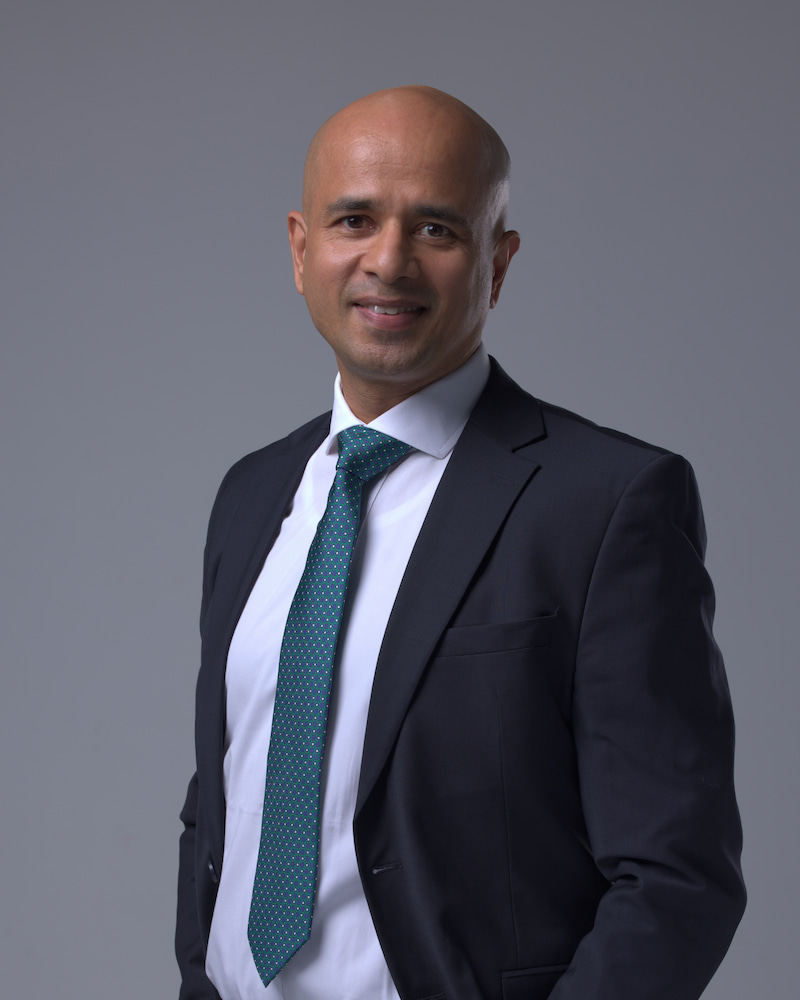
Dr. Siju George is a Specialist Orthodontist and Blue Diamond Apex Invisalign Provider at Wassan Specialty Dental Centre, Muscat. With 20+ years of experience and over 12,000 cases treated, Dr. George holds an MSc in Aligner Orthodontics from the University of Turin and is the only Blue Diamond Apex Invisalign Provider in Oman.
Book a Consultation with Dr. Siju George
Wassan Dental Centre, Al Khuwair, Muscat. Open Saturday – Thursday, 9:00 AM – 8:30 PM. A clinical examination and digital scan can show you what treatment involves — with no pressure and no obligation.