
Quick Answer
TMJ/TMD problems can cause jaw pain, clicking, limited opening, facial discomfort and headaches. Orthodontics does not cure every TMJ problem, because TMD can have many causes. However, if bite imbalance, tooth position or jaw function is contributing to the problem, an orthodontic assessment may help identify whether bite correction, splint therapy, restorative coordination or referral to another specialist is appropriate.
Many patients use the phrase “I have TMJ” when they mean jaw pain or jaw clicking.
Technically, TMJ means the temporomandibular joint — the joint that connects your lower jaw to your skull. TMD means temporomandibular disorder — a group of conditions affecting the jaw joint, muscles and surrounding structures.
In everyday practice, patients usually come in saying things like:
- “My jaw clicks when I open.”
- “My jaw feels tired in the morning.”
- “I get pain near my ear.”
- “I grind my teeth.”
- “My bite feels uneven.”
- “Can Invisalign fix my jaw pain?”
The honest answer is: sometimes orthodontics can help, but not always. The key is proper diagnosis.
Common Symptoms of TMD
TMD symptoms may include:
- jaw pain or tenderness
- clicking, popping or grating sounds
- limited mouth opening
- jaw locking
- headaches or facial pain
- pain around the ear
- tooth wear from clenching or grinding
- difficulty chewing comfortably
These symptoms can have several causes, including muscle tension, stress-related clenching, joint changes, trauma, arthritis, parafunctional habits, sleep-related bruxism, and bite-related issues.
That is why TMD treatment should be careful and conservative.
What Does the Bite Have to Do With TMJ?
Your bite determines how the upper and lower teeth contact during chewing, speaking and resting. If the bite is uneven, some teeth may take more force than others. In selected patients, this may contribute to muscle strain or joint discomfort.
Bite-related issues may include:
- deep bite
- crossbite
- open bite
- missing teeth causing bite collapse
- uneven tooth wear
- teeth that have shifted after previous orthodontic treatment
- restorations that changed the bite
However, not every TMD case is caused by the bite. This is important. Treating the teeth without understanding the real source of pain can lead to disappointment.
Can Invisalign Help TMJ or TMD?
Invisalign may help in selected cases where tooth alignment and bite correction are part of the problem. For example, clear aligners may be used to:
- improve bite contacts
- reduce traumatic bite relationships
- correct deep bite or crossbite
- align teeth before restorative treatment
- improve long-term occlusal stability
But Invisalign should not be sold as a guaranteed cure for jaw pain. TMD often requires a broader plan that may include physiotherapy, stress management, splints, medical evaluation or restorative dentistry.
When Should You See an Orthodontist?
An orthodontic assessment is useful if you have:
- jaw pain with a visibly uneven bite
- bite changes over time
- previous orthodontic relapse
- teeth that no longer meet properly
- deep bite, open bite or crossbite
- worn teeth
- jaw discomfort linked to chewing
- a dentist who has noticed bite-related trauma
At Wassan Dental Centre in Muscat, we assess the teeth, bite and jaw function together rather than looking only at smile appearance.
Why a Conservative Approach Matters
TMD can be frustrating because symptoms may come and go. Some patients improve with simple measures. Others need coordinated care.
A responsible approach may include:
- identifying painful muscles or joint signs
- reviewing clenching or grinding habits
- checking tooth wear
- evaluating bite contacts
- considering a night guard or splint
- referring to a physiotherapist, oral surgeon or physician when needed
- considering orthodontics only when it is likely to contribute to stability or function
The goal is not to promise a quick fix. The goal is to understand what is driving the problem.
The Bottom Line
Jaw pain and clicking should not be ignored, but they should also not be oversimplified.
If your bite feels wrong, your teeth have shifted, or your jaw symptoms are linked to chewing or tooth wear, an orthodontic assessment may help clarify whether bite correction should be part of your treatment plan.
Dr. Siju's Approach to TMJ and Bite-Related Concerns
At Wassan Dental Centre, Dr. Siju George takes a careful, evidence-based approach to patients presenting with jaw pain, clicking, or other TMJ-related symptoms. With over 20 years of clinical experience, he understands that TMD can have multiple contributing factors — not all of which are orthodontic.
When a patient presents with TMJ concerns, Dr. Siju evaluates the bite, jaw joint function, muscle tenderness, and the overall relationship between the upper and lower jaws. If a CBCT scan is indicated, it can provide three-dimensional imaging of the jaw joints and surrounding structures, adding valuable diagnostic information.
If bite misalignment is identified as a likely contributing factor, orthodontic correction with Invisalign may be part of a broader management plan. However, Dr. Siju is careful to set realistic expectations: orthodontic treatment can improve bite alignment, but TMD is often multifactorial, and improvement in symptoms is not guaranteed in every case.
This cautious, transparent approach is one of the reasons patients travel from across Oman for specialist orthodontic assessment at Wassan. They want a clinician who will give them an honest evaluation rather than overpromise.
Frequently Asked Questions
Is TMJ the same as TMD?
Can Invisalign cure TMJ?
Should I see a dentist, orthodontist or doctor for jaw pain?
Can grinding cause jaw pain?
Can a bad bite cause headaches?
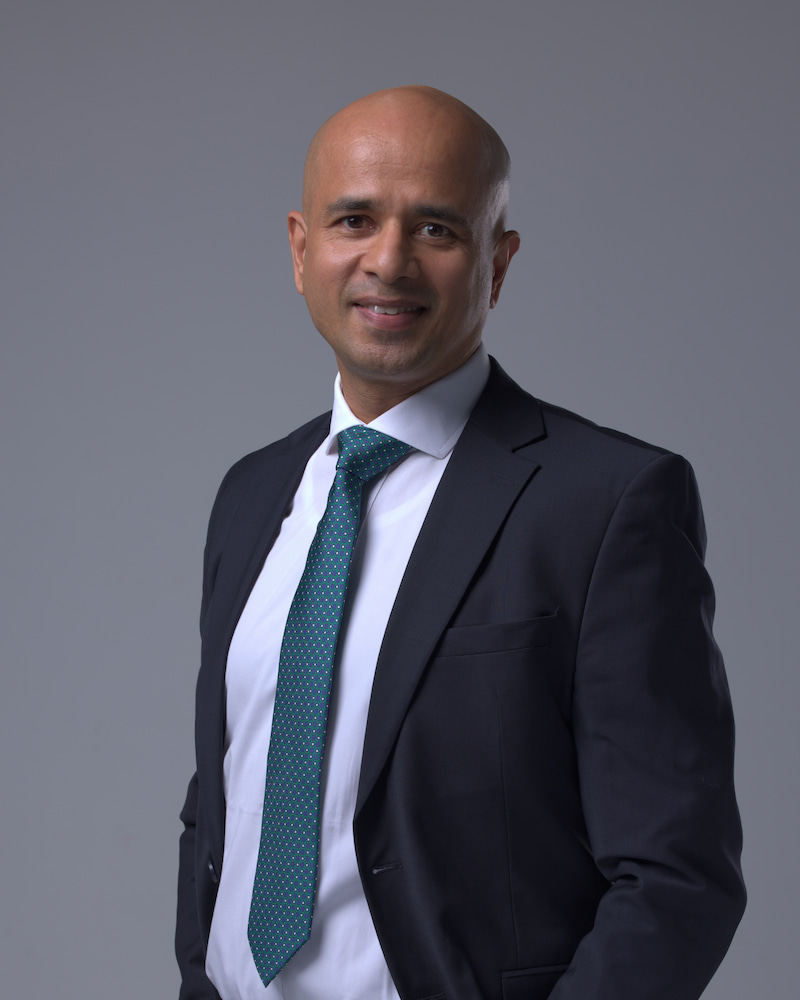
About the Author
Dr. Siju George is a Specialist Orthodontist and Blue Diamond Invisalign Provider at Wassan Specialty Dental Centre, Muscat. With 20+ years of experience and over 12,000 cases treated, Dr. George holds an MSc in Aligner Orthodontics from the University of Turin and is the only Blue Diamond Invisalign Provider in Oman.
Book a Consultation with Dr. Siju George
Wassan Dental Centre, Al Khuwair, Muscat. Open Saturday – Thursday, 9:00 AM – 8:30 PM. A clinical examination and digital scan can show you what treatment involves — with no pressure and no obligation.