
The Training Difference
Every specialist orthodontist is a dentist. But not every dentist is an orthodontist.
A general dentist completes a dental degree – typically five to six years of university education covering the full range of dental care: fillings, extractions, root canals, gum treatment, crowns, dentures, and basic orthodontics.
A specialist orthodontist completes that same dental degree and then does an additional two to three years of full-time postgraduate training focused exclusively on orthodontics and dentofacial orthopaedics. This additional training covers:
- Biomechanics of tooth movement – how teeth move through bone, what forces are needed, what's safe and what risks root damage
- Growth and development – how the face and jaws develop from childhood through adolescence, and how to intervene when growth goes off course
- Cephalometric analysis – interpreting skull X-rays to understand jaw relationships and plan treatment
- Complex malocclusions – deep bites, open bites, crossbites, skeletal discrepancies, impacted teeth
- Treatment planning for combined orthodontic-surgical cases
- Long-term stability and retention science
This isn't a weekend course or a certification programme. It's years of supervised clinical training treating hundreds of cases under specialist mentors – including the cases that general dental training doesn't prepare you for.
What This Means in Practice
For straightforward cases – mild crowding, small gaps, minor alignment – a general dentist with orthodontic interest and training may produce a perfectly good result. Many GPs offer Invisalign for these simpler cases, and that's fine.
But orthodontics has a wide complexity spectrum. The further you move along it, the more the specialist training matters.
Cases where specialist training makes a critical difference
-
Bite problems. Correcting an overbite, underbite, or crossbite requires understanding jaw relationships, not just tooth positions. A deep bite that's treated by only aligning the front teeth – without addressing the underlying bite mechanics – will relapse or cause new problems.
-
Growing children and teens. Interceptive orthodontics – deciding whether to intervene early, when to intervene, and how – requires deep knowledge of facial growth patterns. Expanding a palate at the right time can prevent years of more complex treatment later. Missing that window means a much harder path.
-
Impacted teeth. An ectopic canine heading toward the roots of adjacent teeth requires 3D assessment, surgical coordination, and precise biomechanical planning. This isn't something covered adequately in basic dental training.
-
Skeletal discrepancies. When the problem isn't just the teeth but the jaws themselves – a lower jaw that's too far forward, an upper jaw that's too narrow – the treatment plan involves either growth modification (in children) or surgical-orthodontic coordination (in adults). These cases require specialist diagnostic skills.
-
Extraction decisions. The decision to extract permanent teeth as part of orthodontic treatment has lifelong consequences. It should be made with specialist-level diagnostic certainty, not as a default because the teeth don't fit. In my practice, I actively look for non-extraction alternatives wherever possible – because once a tooth is gone, it's gone.
-
Retreatment of failed cases. Patients whose previous orthodontic treatment didn't work – teeth that relapsed, bites that worsened, complications that developed – need specialist analysis to understand what went wrong and how to correct it.
"But My Dentist Offers Invisalign"
They may – and for the right case, that's perfectly appropriate. Invisalign is a tool available to any qualified dental provider who completes Align Technology's certification programme.
But the tool is only as good as the hands and mind directing it. Invisalign's ClinCheck software is powerful, but it doesn't diagnose. It doesn't tell the provider whether a case needs palatal expansion before alignment, or whether the bite should be addressed before the crowding, or whether an impacted canine is quietly resorbing the root of an adjacent tooth.
Those clinical decisions – the ones that determine whether treatment succeeds, partially succeeds, or creates new problems – require diagnostic training that specialist orthodontists have and general dentists, even skilled ones, typically don't.
The analogy I sometimes use: a general practitioner and a cardiologist both have stethoscopes. The instrument is the same. What they hear – and what they know to do with what they hear – is different.
Why Good Dentists Refer
A general dentist who refers you to a specialist orthodontist is demonstrating exactly the kind of judgment you want in a healthcare provider. They're saying: "This case requires expertise beyond my training, and I want you to get the best possible result."
That's professionalism, not limitation.
The best dental care happens when generalists and specialists collaborate. Your general dentist manages your overall dental health – fillings, cleanings, crowns, extractions. Your specialist orthodontist manages the alignment, bite, and jaw relationship. And in cases that cross boundaries – like orthodontics before implants, or tooth movement around existing crowns – the two work together.
At Wassan Dental Centre, this collaborative model is how we work. I consult with referring dentists about treatment plans, send progress updates, and coordinate timing for any restorative work that needs to happen alongside or after orthodontic treatment.
What to Expect When You See a Specialist
If you've been referred to a specialist orthodontist – or if you're self-referring because you want specialist-level care – here's what a good first visit looks like:
A thorough clinical examination of your teeth, bite, jaw function, and facial proportions. Digital scans and imaging (X-rays, potentially 3D scans). A diagnosis – not just "your teeth are crooked" but what specific problems exist, why they developed, and what the consequences are if left untreated.
A clear treatment plan with options explained – what's recommended, what the alternatives are, what the timeline looks like, and what it costs. And importantly: an honest assessment of complexity. If your case is straightforward, a good specialist will tell you. If it's complex, they'll explain why.
When You Don't Need a Referral
You don't need your general dentist to refer you. In Oman, you can book directly with a specialist orthodontist without a referral. If you have concerns about your teeth or your child's teeth, you can come to us directly.
That said, maintaining a relationship with your general dentist is important. They're the ones who'll care for your teeth during and after orthodontic treatment – checking for cavities, managing gum health, handling restorative needs. The specialist handles the alignment; the generalist handles everything else.
Frequently Asked Questions
What is the difference between a dentist and an orthodontist?
Can a dentist provide Invisalign?
Why did my dentist refer me?
Do children need a specialist orthodontist?
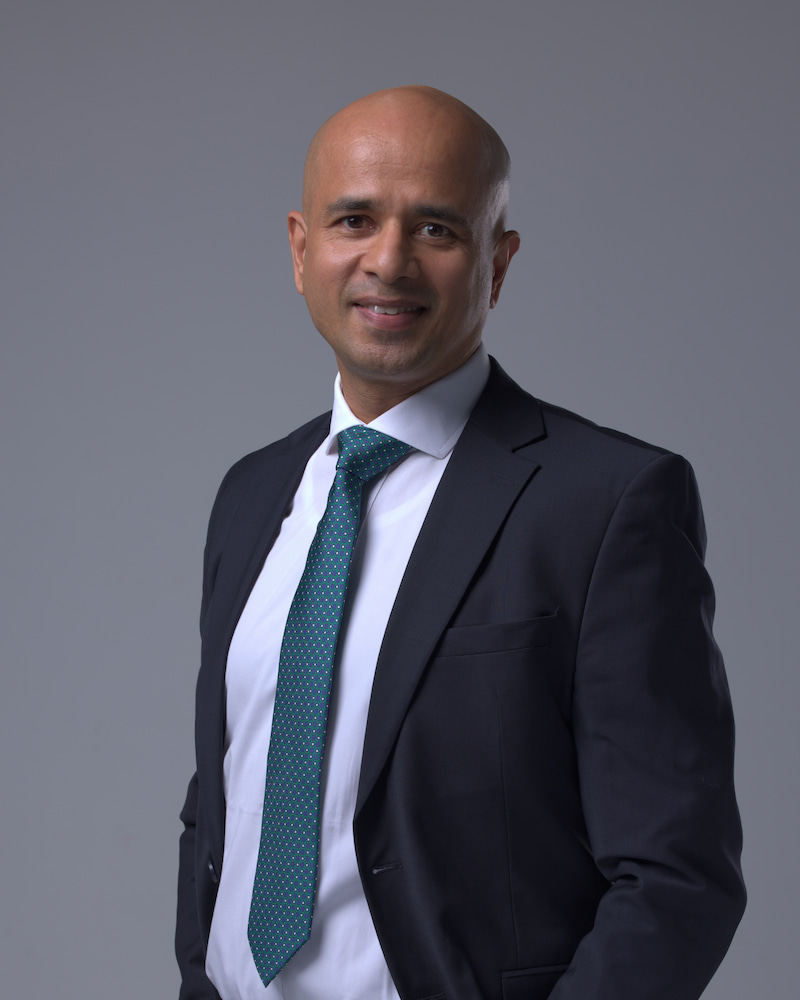
About the Author
Dr. Siju George is a Specialist Orthodontist and Blue Diamond Invisalign Provider at Wassan Specialty Dental Centre, Muscat. With 20+ years of experience and over 12,000 cases treated, Dr. George holds an MSc in Aligner Orthodontics from the University of Turin and is the only Blue Diamond Invisalign Provider in Oman.
Book a Consultation with Dr. Siju George
Wassan Dental Centre, Al Khuwair, Muscat. Open Saturday – Thursday, 9:00 AM – 8:30 PM. A clinical examination and digital scan can show you what treatment involves — with no pressure and no obligation.