Quick Answer
Snoring and sleep apnea should be taken seriously. Orthodontics does not diagnose or cure sleep apnea, but orthodontists may identify jaw, bite or arch-width factors that contribute to airway concerns in selected patients. Proper medical evaluation is essential, especially if there are symptoms such as pauses in breathing, daytime sleepiness or poor concentration.
Snoring is common, but that does not mean it should be ignored — especially in children.
Parents may notice a child sleeping with the mouth open, snoring, waking tired, struggling to concentrate or breathing noisily at night. Adults may be told by a spouse that they snore heavily or stop breathing briefly during sleep.
These symptoms may point to airway issues, allergies, nasal blockage, enlarged tonsils or adenoids, or sleep-disordered breathing.
Orthodontics can be part of the evaluation, but it should not replace medical diagnosis.
What Is Sleep Apnea?
Sleep apnea is a condition where breathing repeatedly stops or becomes shallow during sleep. Obstructive sleep apnea happens when the upper airway becomes blocked during sleep.
Common symptoms may include:
- loud snoring
- pauses in breathing
- gasping or choking during sleep
- daytime sleepiness
- morning headaches
- poor concentration
- restless sleep
- dry mouth in the morning
In children, signs may also include behavioural changes, poor school performance, bedwetting or hyperactivity.
If sleep apnea is suspected, medical assessment is important.
Where Orthodontics Fits In
Orthodontists evaluate the jaws, teeth, palate, bite and facial growth. In selected patients, these structures may be relevant to airway space.
Examples include:
- narrow upper jaw
- high-arched palate
- crossbite
- mouth-open posture
- retruded lower jaw
- crowded teeth associated with narrow arches
An orthodontic evaluation may help identify whether jaw development or dental arch form is part of the broader picture.
Children: Why Early Assessment Matters
In children, airway-related concerns may overlap with growth patterns. A child with a narrow palate, mouth breathing and crossbite may benefit from early orthodontic assessment.
In selected cases, orthodontic expansion may improve arch form and may contribute to improved airway dimensions. But if enlarged adenoids, tonsils or allergies are involved, ENT or medical care may be needed.
The best approach is often multidisciplinary.
Adults: Different Considerations
In adults, jaw growth is complete. Orthodontics may still improve bite alignment or support oral appliance therapy in selected cases, but it is not the primary treatment for diagnosed sleep apnea.
Adults with suspected sleep apnea should speak to a physician or sleep specialist. Treatment may involve CPAP, oral appliance therapy, weight management, nasal treatment, lifestyle changes or other medical care depending on diagnosis.
Why We Avoid Overpromising
Airway orthodontics is an important area, but it must be discussed responsibly.
It is not accurate to say that braces or Invisalign “cure” sleep apnea. What orthodontics may do is identify and manage dental or skeletal factors that are part of the overall airway picture.
That distinction matters for patient safety.
When to Seek Help
Consider evaluation if you or your child has:
- regular snoring
- mouth breathing
- witnessed pauses in breathing
- daytime sleepiness
- morning headaches
- poor concentration
- narrow upper arch or crossbite
- restless sleep
For children, an orthodontic assessment around age 7 can help identify jaw development patterns early.
The Bottom Line
Snoring and sleep apnea are not just dental issues. But the teeth, jaws and airway are connected in important ways.
If you are concerned about breathing, sleep or jaw development, the right first step is proper assessment — and sometimes that means both medical and orthodontic input.
What an Orthodontic Evaluation Involves for Airway Concerns
When patients or parents in Muscat mention concerns about snoring, sleep quality, or breathing-related symptoms, Dr. Siju George approaches the assessment with appropriate caution. Orthodontics can play a role in some airway-related conditions, but it is not a treatment for sleep apnea, and responsible clinicians do not claim otherwise.
At Wassan Dental Centre, the orthodontic evaluation for patients with airway concerns includes a thorough examination of the bite, jaw relationship, and oral anatomy. Dr. Siju assesses whether jaw positioning, a narrow palate, or bite misalignment could be contributing to the symptoms. If a CBCT scan is indicated, it provides three-dimensional imaging that helps evaluate airway dimensions alongside the teeth and jaws.
If the clinical picture suggests that jaw expansion or bite correction could contribute to improved oral function and airway-related anatomy, Dr. Siju discusses the orthodontic options — including Invisalign Palatal Expander for children or comprehensive Invisalign for adults. However, he is always clear that orthodontic treatment is one part of a broader picture, and that patients with suspected sleep apnea should be evaluated by a sleep physician.
This measured, evidence-based approach reflects Dr. Siju's commitment to responsible clinical practice. Patients and families from across Oman trust Wassan for specialist orthodontic assessments that are honest, thorough, and grounded in clinical evidence.
Frequently Asked Questions
Can orthodontics cure sleep apnea?
Can a narrow jaw affect breathing?
Should snoring in children be ignored?
Can Invisalign help airway problems?
Who should assess sleep apnea?
About the Author
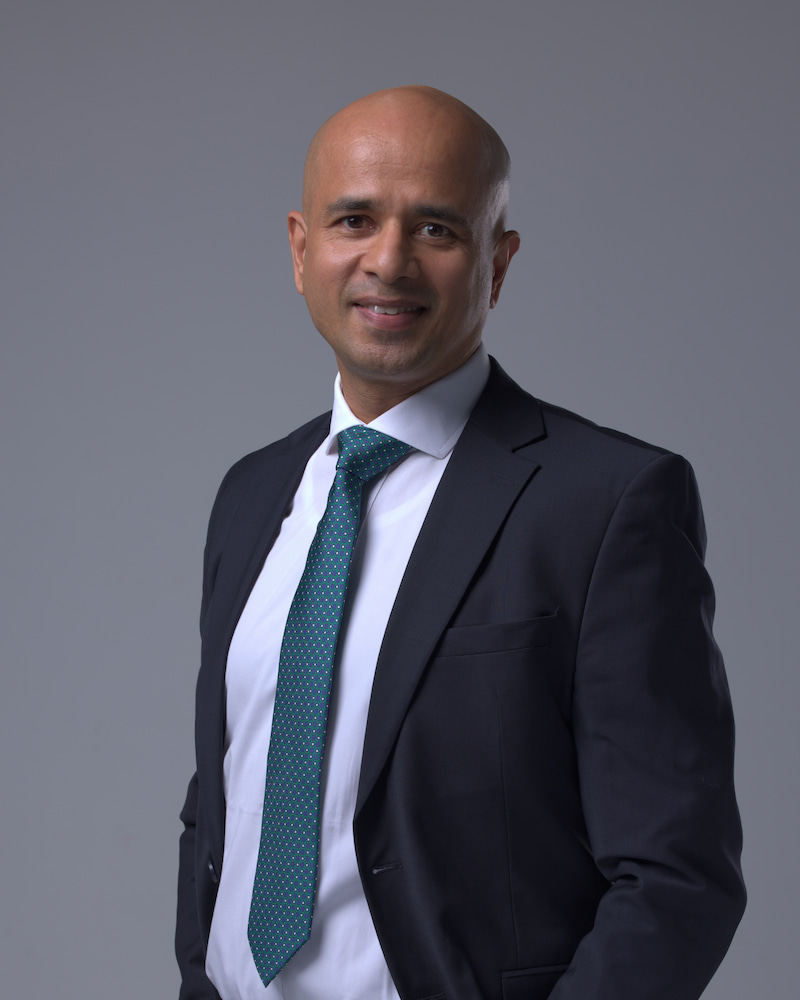
Dr. Siju George is a Specialist Orthodontist and Blue Diamond Invisalign Provider at Wassan Specialty Dental Centre, Muscat. With 20+ years of experience and over 12,000 cases treated, Dr. George holds an MSc in Aligner Orthodontics from the University of Turin and is the only Blue Diamond Invisalign Provider in Oman.
Book a Consultation with Dr. Siju George
Wassan Dental Centre, Al Khuwair, Muscat. Open Saturday – Thursday, 9:00 AM – 8:30 PM. A clinical examination and digital scan can show you what treatment involves — with no pressure and no obligation.