Why Teeth Move Back
Your teeth didn't arrive in their new positions naturally. They were moved there by controlled force – aligner pressure or wire tension – that triggered bone remodelling around each root. When that force is removed, the bone, gums, and fibres around your teeth haven't fully stabilised. They have a memory of where the teeth used to be, and they exert a gentle but persistent pull backward.
This is called orthodontic relapse, and it happens to some degree in almost every patient who doesn't wear retainers.
Beyond the immediate post-treatment period, teeth continue to face forces throughout life – from chewing, from tongue pressure, from the natural narrowing of the lower jaw that occurs as we age. Even people who never had orthodontic treatment often notice their lower front teeth crowding in their 30s and 40s. For people who've had their teeth moved, the tendency to shift is even greater.
This is why retention isn't a six-month project. It's a lifelong practice.
What Retention Looks Like
After completing Invisalign at Wassan, I prescribe retainers – and I set clear expectations about how to use them.
Wear your retainers full-time (20-22 hours a day, same as your aligners) for the first 3-6 months. This allows the bone around your teeth to fully mineralise and stabilise in their new positions.
Transition to night-time wear only. Every night, while you sleep, the retainer holds your teeth in place. This is the long-term protocol.
Honestly – as long as you want your teeth to stay straight. I tell patients: retainers are a lifelong commitment. It sounds dramatic, but it's the clinical reality. The moment you stop wearing retainers consistently, your teeth begin to move. It may take months or years to become noticeable, but it happens.
Types of Retainers
There are two main approaches to retention:
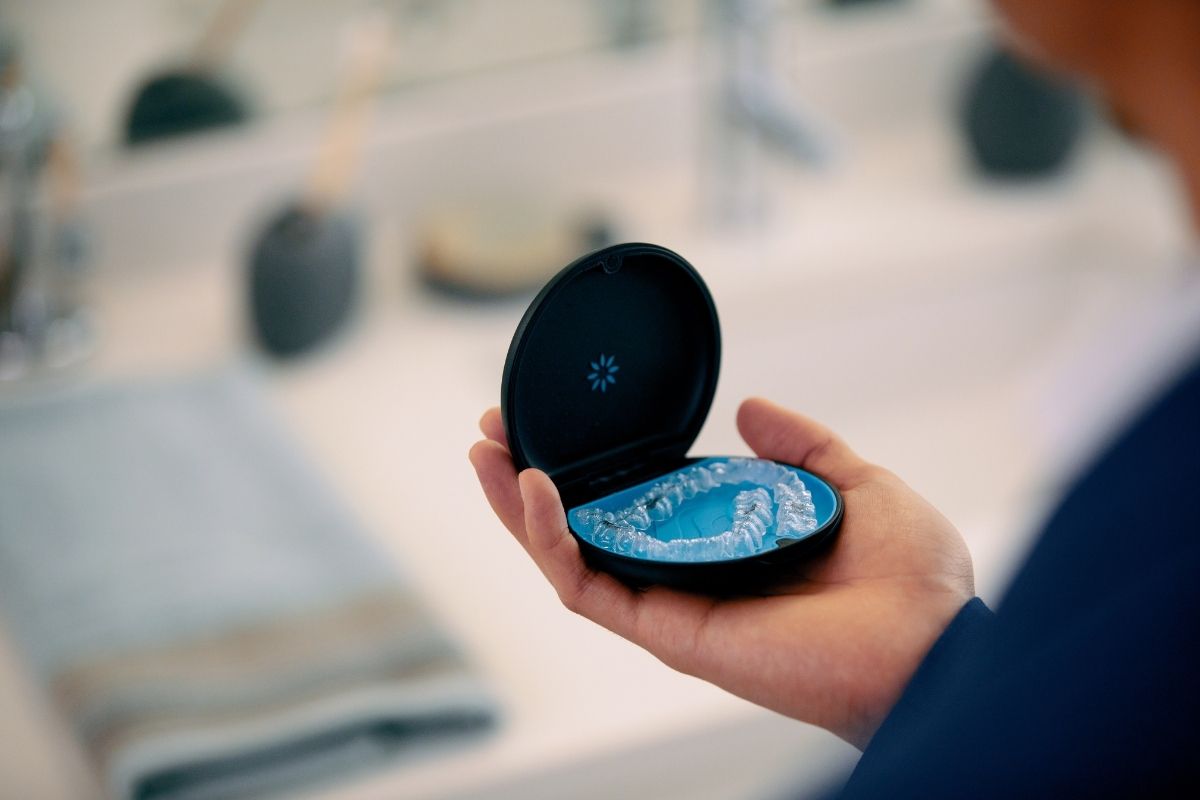
Clear retainers that look similar to Invisalign aligners – you place them over your teeth at night and remove them in the morning. Invisalign's Vivera retainers are a premium option: they're custom-made from durable material, thicker and more resilient than standard clear retainers, and designed to last longer.
A thin wire bonded to the back of your front teeth – usually the lower six teeth. It's permanent, invisible from the front, and works 24/7 without any effort from you. The downside: it makes flossing those teeth slightly more difficult (you'll need a floss threader or water flosser), and the wire can occasionally debond, requiring a quick clinic visit to reattach.
Many orthodontists – myself included – recommend both: a fixed wire on the lower front teeth (where relapse tendency is strongest) plus a removable retainer for night-time wear on both arches. This belt-and-braces approach gives the best long-term stability.
The Relapse Patients I See
A significant portion of the adult patients at Wassan aren't seeing an orthodontist for the first time. They had braces as teenagers – sometimes in Oman, sometimes abroad – and their teeth have shifted back.
The story is almost always the same: they wore their retainers for a while after treatment, then gradually stopped. Life got in the way. The retainer cracked and wasn't replaced. It felt fine without it. And slowly, over years, the teeth drifted.
By their 30s or 40s, they're looking in the mirror at crowded lower front teeth and thinking: "I already paid for straight teeth once. Now I have to do it again?"
The retreatment itself is usually straightforward – often simpler and shorter than the original treatment. But it's a cost, both financial and emotional, that could have been avoided with a OMR 30 retainer worn at night.
I don't say this to judge anyone. Retainer fatigue is real, and life is busy. But I want you to hear it now, at the start of your retention journey, so you take it seriously.
Retainer Care
Your retainers need to be looked after:
Brush them gently with a soft toothbrush and cold water. Don't use hot water – it can warp the plastic. Don't use toothpaste – it can scratch the surface and create areas where bacteria collect.
The number one way retainers get lost or broken is by being wrapped in a napkin at a restaurant and thrown away. Keep the case with you. Make it a habit.
Removable retainers don't last forever. Clear retainers typically last 1-3 years depending on how well they're cared for and whether you grind your teeth. When they become cloudy, cracked, or don't fit snugly, it's time for a new set.
If you forget to wear your retainer for a few nights and it feels tight when you put it back in, that tightness is your teeth having moved. Wear the retainer – it's actively pushing them back. If you've gone weeks without wearing it and it no longer fits, come see me. We may need to assess how much movement has occurred.
A Word About "Permanent" Retainers
I should address a common misconception: a bonded (fixed) wire retainer is not a guarantee against all relapse. It holds the specific teeth it's bonded to, but it doesn't control the position of teeth beyond its reach. I've seen patients with intact lower bonded retainers whose upper teeth shifted significantly because they stopped wearing their removable upper retainer.
Fixed and removable retainers serve different roles. For the most reliable long-term result, you need both – the wire for the lower front teeth and the removable retainer for the full arches.
Making Retention a Habit
The patients who maintain their results long-term are the ones who make retainer wear automatic – like brushing their teeth before bed.
Keep your retainer on your nightstand. Put it in at the same time every evening. It takes 30 seconds. After a few weeks, it becomes as habitual as setting your alarm.
Your smile took months of treatment, thousands of rials, and real commitment to achieve. Protecting it takes 30 seconds a night.
Frequently Asked Questions
Do I need retainers after Invisalign?
How long do I wear retainers?
What happens if I stop?
Which retainer is best?
About the Author
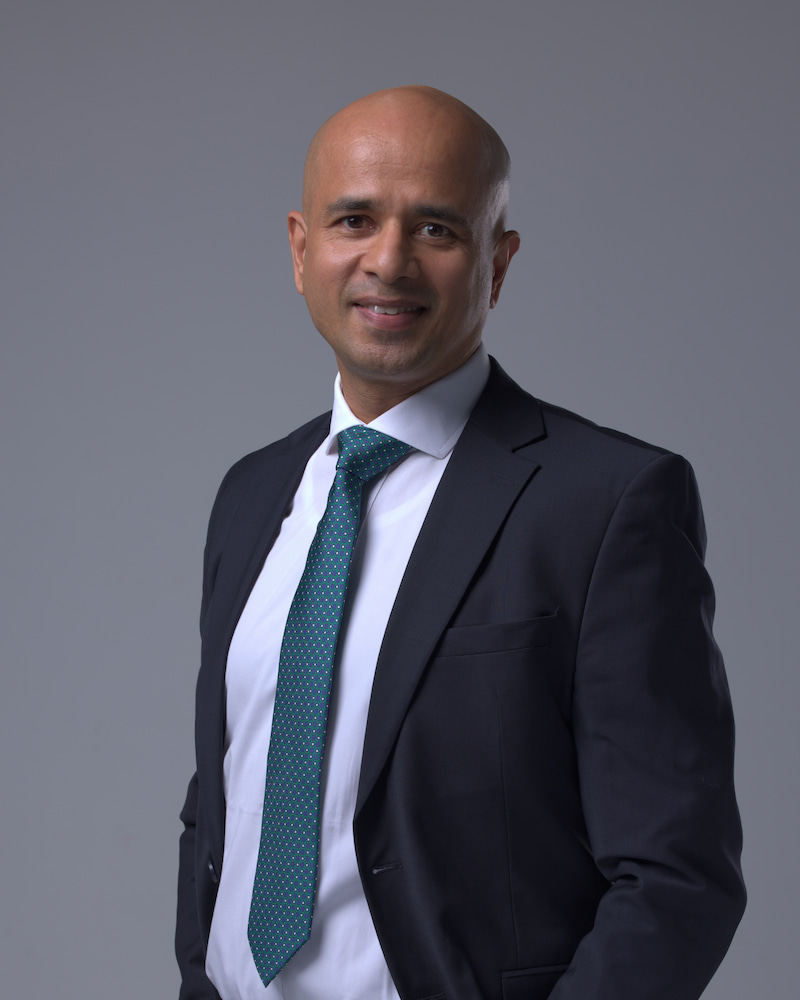
Dr. Siju George is a Specialist Orthodontist and Blue Diamond Invisalign Provider at Wassan Specialty Dental Centre, Muscat. With 20+ years of experience and over 12,000 cases treated, Dr. George holds an MSc in Aligner Orthodontics from the University of Turin and is the only Blue Diamond Invisalign Provider in Oman.
Book a Consultation with Dr. Siju George
Wassan Dental Centre, Al Khuwair, Muscat. Open Saturday – Thursday, 9:00 AM – 8:30 PM. A clinical examination and digital scan can show you what treatment involves — with no pressure and no obligation.