The Problem: Teeth Don't Stay Still
When a tooth is lost – whether from decay, injury, or extraction – the teeth around the gap don't wait politely for a replacement. They move.
The teeth on either side of the gap tilt toward the empty space, narrowing it. The tooth opposite the gap (in the other jaw) drifts downward or upward into the space, looking for something to bite against. Over months and years, the gap that was once the perfect width for an implant becomes too narrow, too angled, or too compromised for straightforward implant placement.
This is called mesial drift and over-eruption, and it happens in virtually every case where a missing tooth isn't replaced promptly.
By the time a patient arrives at the implant surgeon's office – sometimes years after the tooth was lost – the surrounding teeth have rearranged themselves, and the bone underneath the gap may have resorbed (shrunk) from disuse.
The implant surgeon now faces a choice: place the implant in a compromised position, or do additional procedures (bone grafting, guided bone regeneration) to make the site workable. Neither option is as good as having ideal tooth positions from the start.
What Pre-Prosthetic Orthodontics Does
Pre-prosthetic orthodontics – moving teeth before restorative work – addresses these issues directly:
Reopening space. If adjacent teeth have drifted into the gap, orthodontic treatment moves them back to their correct positions, recreating the ideal width for an implant. This means the surgeon can place the implant in the optimal position, angle, and depth – exactly where it will function best and look most natural.
Uprighting tilted teeth. Teeth that have tilted into a gap often have compromised root positions that affect their own long-term health. Orthodontic uprighting not only opens space for the implant but also improves the health and stability of the adjacent teeth.
Intruding over-erupted teeth. A tooth that has drifted down into the gap from the opposing arch can interfere with implant placement and bite function. Moving it back to its correct position restores proper occlusion.
Improving bone quality. When teeth are moved orthodontically, they bring bone with them. Moving a tooth toward an area of bone loss can actually stimulate bone regeneration along the path of movement, potentially reducing the need for bone grafting at the implant site.
Creating better aesthetics. For front teeth especially, the position of the adjacent teeth determines the shape of the gum line and the papillae (the small triangles of gum between teeth). If these teeth are out of position when the implant is placed, the final result may have gaps, uneven gum heights, or an artificial appearance. Moving teeth first creates the ideal soft tissue framework.
A Common Scenario
Here's a case I see regularly at Wassan:
A patient in their 30s or 40s lost a lower molar years ago. They never replaced it. Over time, the teeth on either side tilted inward. The upper tooth above the gap drifted down. Now they have a bite that doesn't meet properly on one side, and they're developing jaw pain.
Their general dentist refers them for an implant. The implant surgeon takes a scan and says: "The space is too narrow and the adjacent teeth are tilted. We need orthodontics first."
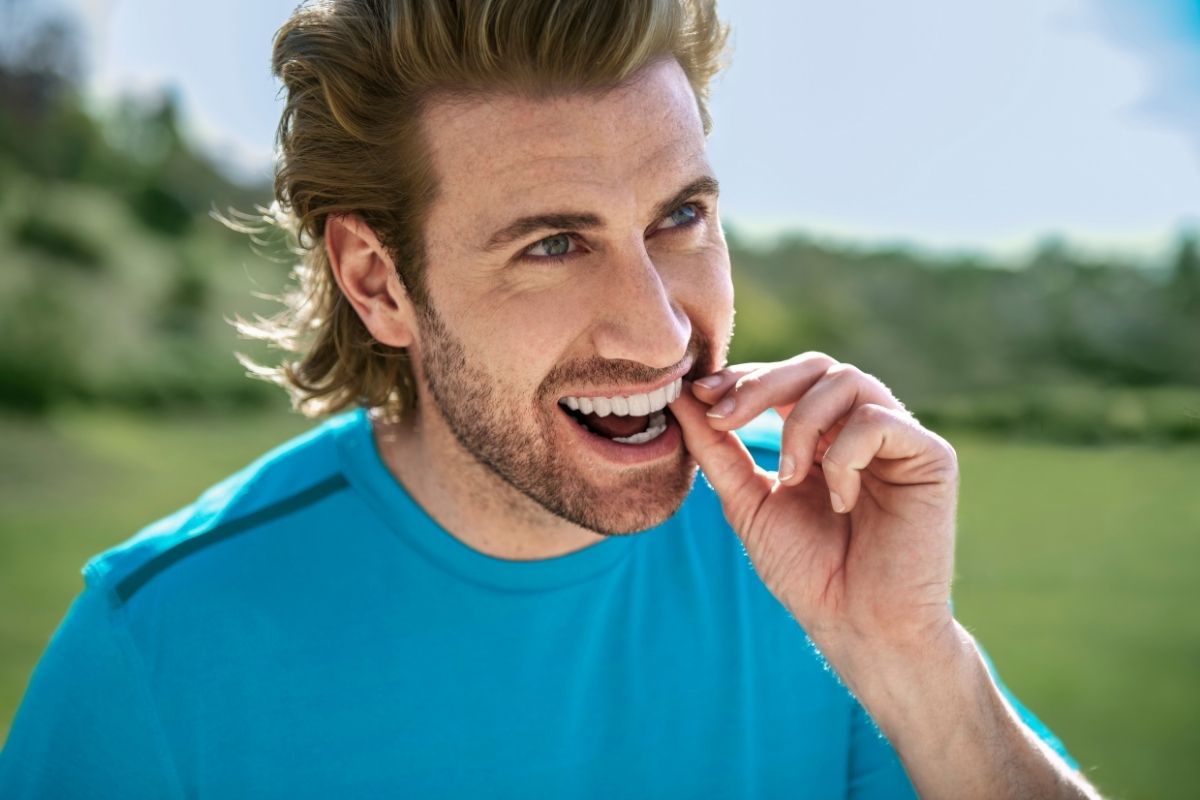
The patient comes to me. We use Invisalign to upright the tilted teeth, reopen the space, and correct the bite alignment – often in 6-9 months for this specific type of case. Then the implant surgeon places the implant in an ideal, well-supported site.
The result: a better-positioned implant, a better bite, and a result that will function well for decades. The orthodontic "detour" saves the patient from a compromised implant that might have failed or needed replacement in 10 years.
Invisalign for Pre-Prosthetic Treatment
Adults undergoing pre-prosthetic orthodontics are ideal Invisalign candidates. The treatment is usually limited in scope – we're not correcting the entire bite, just moving specific teeth to create the conditions for successful restorative work. This means shorter treatment times, fewer aligners, and lower costs than comprehensive orthodontic treatment.
And for an adult who wasn't expecting to need orthodontics at all, the fact that Invisalign is nearly invisible makes the process far more acceptable than the prospect of traditional braces.
At Wassan, I work closely with the restorative and implant teams to coordinate treatment planning. The orthodontic phase is designed specifically to support what the implant surgeon needs – nothing more, nothing less.
Not Just Implants: Orthodontics Before Veneers and Crowns
The same principle applies to other restorative work:
If teeth are severely crowded or rotated, a cosmetic dentist may need to remove excessive enamel to create the appearance of straight teeth with veneers. Moving the teeth into the correct position first means less tooth structure needs to be removed – resulting in thinner, more conservative veneers that look more natural and preserve more of your original tooth.
Teeth that are tipped or over-erupted may not have sufficient space for a properly shaped crown. Orthodontic positioning creates the room needed for a crown with ideal proportions and contacts.
The teeth that anchor a bridge need to be upright and well-positioned for the bridge to fit properly and distribute forces evenly. If they're tilted, the bridge is compromised from day one.
The Bigger Picture
Orthodontics and restorative dentistry aren't separate disciplines that compete for your time and money. They're complementary. When coordinated properly, the orthodontic phase creates the foundation that makes every subsequent treatment more predictable, more conservative, and more durable.
If your dentist has referred you to an orthodontist before implant or restorative work, it's a sign of thorough treatment planning – not an unnecessary detour. They're thinking about your long-term result, not just the immediate fix.
Important note on jaw pain and TMD: Temporomandibular disorders are multifactorial. Orthodontic treatment is not a universal cure for TMJ/TMD symptoms. In some patients, improving bite balance may be one part of care, but persistent jaw pain should be assessed carefully and may require physiotherapy, oral splints, medical review or other conservative management.
Frequently Asked Questions
Why see an orthodontist before implants?
Can Invisalign be used before implants?
Should implants be placed before or after orthodontics?
Can orthodontics before veneers preserve teeth?
About the Author
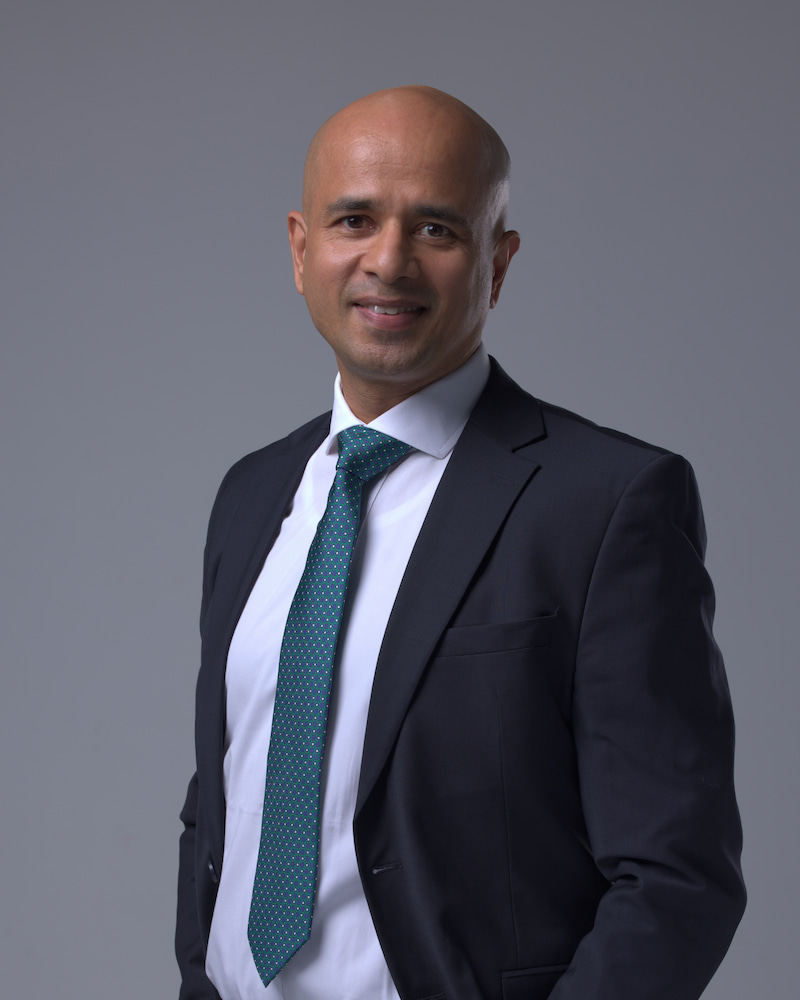
Dr. Siju George is a Specialist Orthodontist and Blue Diamond Invisalign Provider at Wassan Specialty Dental Centre, Muscat. With 20+ years of experience and over 12,000 cases treated, Dr. George holds an MSc in Aligner Orthodontics from the University of Turin and is the only Blue Diamond Invisalign Provider in Oman.
Book a Consultation with Dr. Siju George
Wassan Dental Centre, Al Khuwair, Muscat. Open Saturday – Thursday, 9:00 AM – 8:30 PM. A clinical examination and digital scan can show you what treatment involves — with no pressure and no obligation.