
Quick Answer
Sometimes starting orthodontic treatment abroad makes sense — but often it creates avoidable problems. Orthodontics is not a one-time purchase. It is an ongoing clinical process that depends on reviews, adjustments, troubleshooting, and long-term follow-up. If you live in Oman and expect to be here for the duration of treatment, starting locally is usually more practical.
This is a question I hear often in Muscat.
A family is planning a summer trip. Someone says treatment is cheaper abroad. A relative recommends a clinic back home. Or an adult thinks, “I’ll just start my Invisalign while I’m in India, Turkey, the UK, or Dubai, and then continue somehow when I get back.”
It sounds efficient. Sometimes it can work. But orthodontic treatment is not like buying glasses or having a single filling. It depends on continuity.
Why Continuity Matters in Orthodontics
Whether you choose braces or Invisalign, treatment usually involves:
- diagnosis and records
- planning
- active tooth movement over months
- progress checks
- refinements or adjustments
- retention after treatment
Things do not always go exactly as projected. Teeth may track differently. Attachments may need replacement. A bracket may break. Refinements may be needed. Bite goals may need adjustment. The doctor who starts your treatment should ideally be the person, or at least part of the team, following it through.
Common Problems When Treatment Starts Abroad
Patients who start elsewhere and continue in Oman sometimes face issues such as:
- limited access to their original records
- unclear treatment goals
- no local provider willing to take over mid-course
- aligners ordered without realistic follow-up
- delays in getting replacement trays or refinements
- confusion over who is responsible if something goes wrong
This does not mean starting abroad is always wrong. It means you should think beyond the first appointment.
When It Might Make Sense
Starting abroad may be reasonable if:
- you are genuinely relocating there
- you can complete the active treatment with the same provider
- you already know how follow-up and retention will be managed
- there is a clear transfer plan if you move
When Starting in Oman May Be Better
If you live and work in Oman and expect to remain here during treatment, starting locally usually offers advantages:
- easier review appointments
- quicker response if problems arise
- better continuity with the same orthodontist
- easier coordination if you also need hygiene, restorative, or specialist care
- simpler retention and long-term follow-up
For expats in particular, this matters. A missed review may not seem significant at first, but over time it can affect both efficiency and outcome.
What About Cost?
Cost is often part of the decision — understandably. But lower fees abroad do not always mean better value once you consider:
- travel costs
- repeated visits
- emergency care elsewhere
- rework or retreatment if the plan is not progressing well
- the cost of taking over treatment locally if needed
The cheapest start is not always the most economical finish.
Questions to Ask Before Starting Abroad
If you are seriously considering it, ask:
- Who will monitor me once I return to Oman?
- Will my records and treatment plan be shared?
- If I need refinements, where will they be done?
- Who covers emergencies or complications?
- Is the provider a specialist orthodontist?
- What is the plan if I relocate again?
If those answers are vague, think carefully.
The Bottom Line
Orthodontic treatment is a journey, not a transaction. The best place to start treatment is usually the place where you can be reviewed consistently, supported properly, and followed through to retention.
If you live in Oman, that often means starting your treatment in Oman.
If you are unsure, a consultation can help you compare your options realistically before you commit.
Why Patients Across Oman Choose Wassan for Continuity
Oman's expatriate and mobile population often faces a difficult decision: start orthodontic treatment abroad and hope for continuity, or wait until they are settled and begin with a local provider who can see the case through from start to finish.
At Wassan Dental Centre, Dr. Siju George has treated patients from across the Sultanate — Muscat, Nizwa, Sohar, Salalah, Sur, Ibri, Duqm, and beyond — as well as patients who have relocated to Oman from other countries and need to continue or restart orthodontic care.
As a Blue Diamond Apex Invisalign Provider with over 12,000 cases treated, Dr. Siju has extensive experience managing treatment transfers, assessing mid-treatment cases from other providers, and designing new treatment plans that account for previous orthodontic history. He uses digital scanning and ClinCheck to create a clear picture of where the teeth are now and what still needs to be achieved.
For patients considering starting treatment abroad, the most important question is whether they will have access to their treating provider for the full duration of treatment — including refinements, which often take several months beyond the initial aligner series. If there is any doubt about continuity, it may be worth beginning treatment with a local specialist who can manage every stage.
Frequently Asked Questions
Can Invisalign be transferred from one country to another?
Is it cheaper to start braces abroad?
Can a Muscat orthodontist take over treatment started elsewhere?
What is the biggest risk of starting abroad?
About the Author
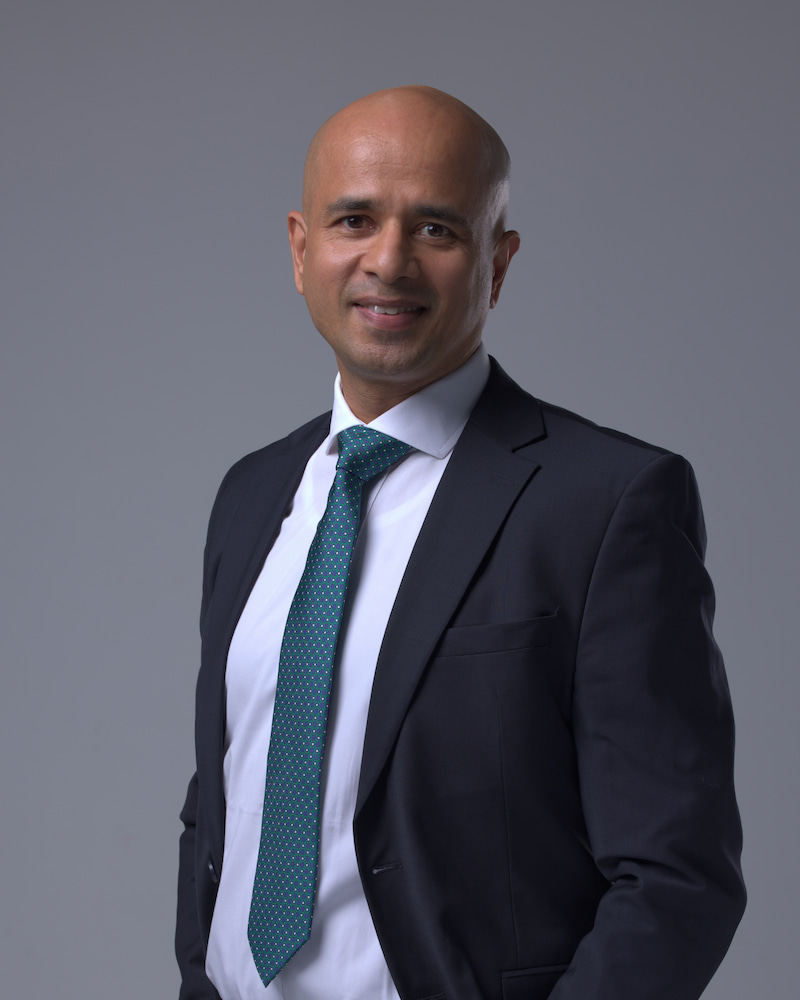
Dr. Siju George is a Specialist Orthodontist and Blue Diamond Invisalign Provider at Wassan Specialty Dental Centre, Muscat. With 20+ years of experience and over 12,000 cases treated, Dr. George holds an MSc in Aligner Orthodontics from the University of Turin and is the only Blue Diamond Invisalign Provider in Oman.
Book a Consultation with Dr. Siju George
Wassan Dental Centre, Al Khuwair, Muscat. Open Saturday – Thursday, 9:00 AM – 8:30 PM. A clinical examination and digital scan can show you what treatment involves — with no pressure and no obligation.