
True Emergencies: Get Seen Promptly
These situations warrant contacting your orthodontist as soon as possible:
If a fall, sports injury, or accident has damaged your teeth, jaws, or orthodontic appliances – especially if there's significant bleeding, loose teeth, or jaw pain – this is a medical/dental emergency. Go to your nearest emergency dental clinic or hospital. Inform your orthodontist as soon as possible afterward.
Rare, but possible – if you develop significant swelling, difficulty breathing, or widespread rash after starting a new appliance or aligner, seek medical attention immediately.
Some discomfort after adjustments or new aligners is normal (more on that below). But pain that is severe, persistent beyond 5-7 days, or accompanied by swelling or fever may indicate a different problem – an infection, root issue, or appliance pressing on soft tissue in a harmful way. Contact your orthodontist.
If a bracket, elastic, or small orthodontic component is accidentally swallowed, it usually passes harmlessly through the digestive system. However, if there's any coughing, choking, difficulty breathing, or chest pain – indicating the object may have entered the airway rather than the stomach – seek emergency medical care immediately.
Common Situations That Feel Urgent But Can Usually Wait
Braces: Wire Poking
The archwire has shifted and is now sticking out past the last bracket, poking the cheek, lip, or tongue.
Use orthodontic wax (you should have received this at the start of treatment) to cover the sharp end. Roll a small piece of wax into a ball and press it over the poking wire. This creates a smooth barrier. - If the wire is long enough, try gently pushing it back toward the teeth using a clean pencil eraser or the back of a spoon. - If you have access to clean, disinfected nail clippers or wire cutters, you can carefully clip the protruding end. Use caution and have someone help – be careful not to cut tissue. - Rinse with warm salt water if the area is sore.
If the wire is causing significant tissue damage that wax can't manage, or if it's embedded in the cheek or gum and you can't safely cover or remove it.
Braces: Loose or Broken Bracket
A bracket has detached from the tooth. It may still be hanging on the wire, sliding back and forth.
If the bracket is sliding and irritating tissue, use wax to hold it in place temporarily. - If the bracket comes completely off the wire, keep it safe and bring it to your next appointment. - A single loose bracket does not usually affect treatment significantly in the short term. Your teeth won't move backward overnight.
Contact your clinic during business hours to schedule a repair. This usually doesn't require an emergency visit – it can often be handled at your next regular appointment or a short repair visit within a few days.
Braces: Soreness After Adjustment
You've just had a wire change or adjustment and your teeth are aching.
This is normal. Post-adjustment soreness typically peaks at 24-48 hours and resolves within 5-7 days. Over-the-counter pain relief (as recommended by your doctor or pharmacist) can help. Eating softer foods for a day or two reduces discomfort. Cold drinks can also help.
Only if pain is severe, doesn't improve after a week, or is accompanied by swelling.
Invisalign: Lost or Damaged Aligner
Your current aligner is lost, cracked, or damaged beyond use.
If you still have your previous aligner, wear that while you contact the clinic. It's better to wear the previous aligner than no aligner – it will hold your teeth close to their current position. - If your previous aligner is also gone, move to your next aligner in the sequence. It may feel tighter than expected, which is normal. - Contact Wassan to arrange a replacement. If you're on Invisalign Teen, replacement aligners may be included in your package.
During business hours, at your earliest convenience. A day without an aligner won't derail treatment, but you don't want to go more than a few days.
Invisalign: Aligner Doesn't Fit
You've switched to a new aligner and it doesn't seat properly – it's lifting off certain teeth or feels very tight in specific areas.
Use your aligner chewies (small cylindrical cushions provided at the start of treatment) to help seat the aligner. Bite down on the chewie systematically around the arch for several minutes. - Give it 24-48 hours. New aligners are designed to be slightly ahead of your current tooth position – that's how they create movement. Some initial resistance is expected.
If the aligner still doesn't seat after 48 hours of consistent wear and chewie use, it may indicate a tracking issue – a tooth that hasn't moved as planned. Contact your orthodontist for an assessment. This is clinically important but not an emergency.
Invisalign: Attachment Fell Off
One of the small tooth-coloured attachments (bonded to your tooth for extra aligner grip) has come off.
Continue wearing your aligners normally. A single missing attachment usually doesn't critically affect treatment in the short term – the aligner still applies force to the tooth, just with less precision.
Schedule a visit to have it rebonded at your next available appointment. If multiple attachments fall off, contact the clinic sooner.
Preventing Problems
Most orthodontic "emergencies" are preventable:
Avoid hard, sticky, and crunchy foods that can break brackets and bend wires. This means no popcorn, hard nuts, ice chewing, toffee, or biting directly into hard fruits like apples (cut them first). Use a mouthguard during sports.
Always store aligners in their case when not in your mouth – not in a napkin, not in a pocket, not on a restaurant table. Carry the case everywhere. When dining out, remove aligners before eating and put them directly into the case.
Maintain your regular appointment schedule. Many problems are caught and addressed during routine check-ups before they become issues at home.
Wassan's Approach to Between-Visit Concerns
At Wassan Dental Centre, patients have access to WhatsApp communication for between-visit questions. If something happens – a poking wire, a lost aligner, a bracket concern – you can message us with a description (a photo helps enormously) and we'll advise whether you need to come in or can manage at home.
Most situations can be triaged over WhatsApp. For genuine emergencies, we'll arrange the earliest possible appointment.
Temporomandibular disorders are multifactorial. Orthodontic treatment is not a universal cure for TMJ/TMD symptoms. In some patients, improving bite balance may be one part of care, but persistent jaw pain should be assessed carefully and may require physiotherapy, oral splints, medical review or other conservative management.
Sleep apnea is a medical diagnosis. Orthodontic assessment can identify jaw, bite, arch-width and oral-habit factors that may be relevant, but children or adults with snoring, pauses in breathing, daytime sleepiness or persistent mouth breathing should also be assessed by an appropriate medical or ENT professional.
Frequently Asked Questions
What is a true orthodontic emergency?
What should I do if a wire is poking?
What if I lose an Invisalign aligner?
Is soreness after a new aligner normal?
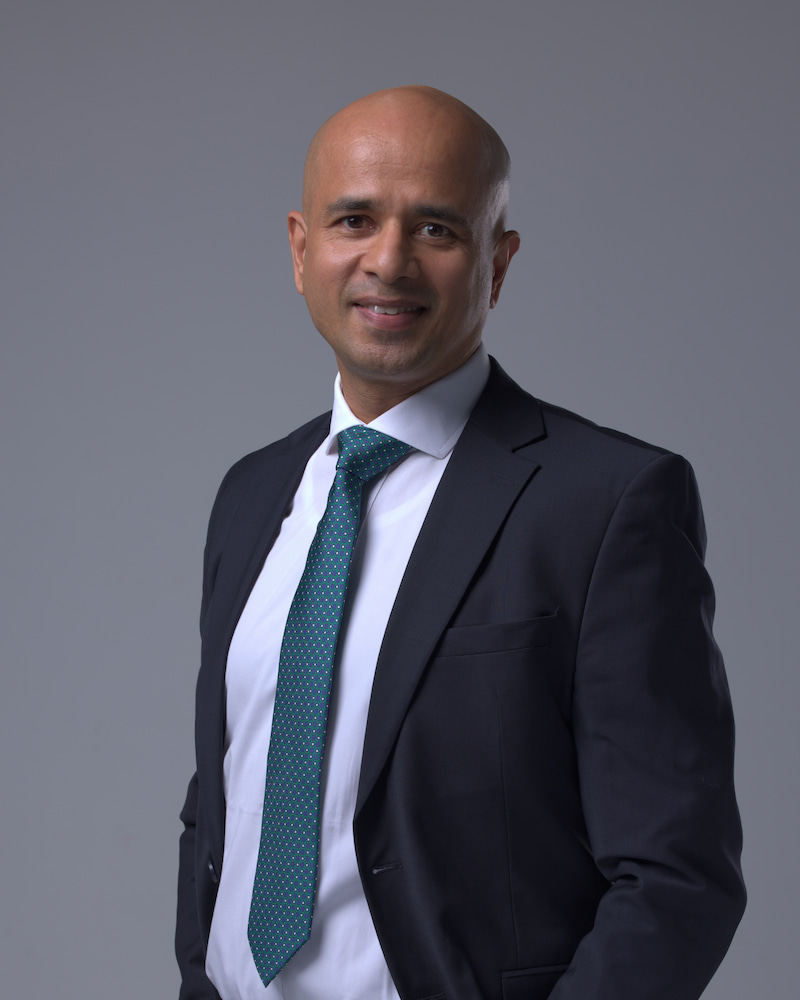
About the Author
Dr. Siju George is a Specialist Orthodontist and Blue Diamond Invisalign Provider at Wassan Specialty Dental Centre, Muscat. With 20+ years of experience and over 12,000 cases treated, Dr. George holds an MSc in Aligner Orthodontics from the University of Turin and is the only Blue Diamond Invisalign Provider in Oman.
Book a Consultation with Dr. Siju George
Wassan Dental Centre, Al Khuwair, Muscat. Open Saturday – Thursday, 9:00 AM – 8:30 PM. A clinical examination and digital scan can show you what treatment involves — with no pressure and no obligation.