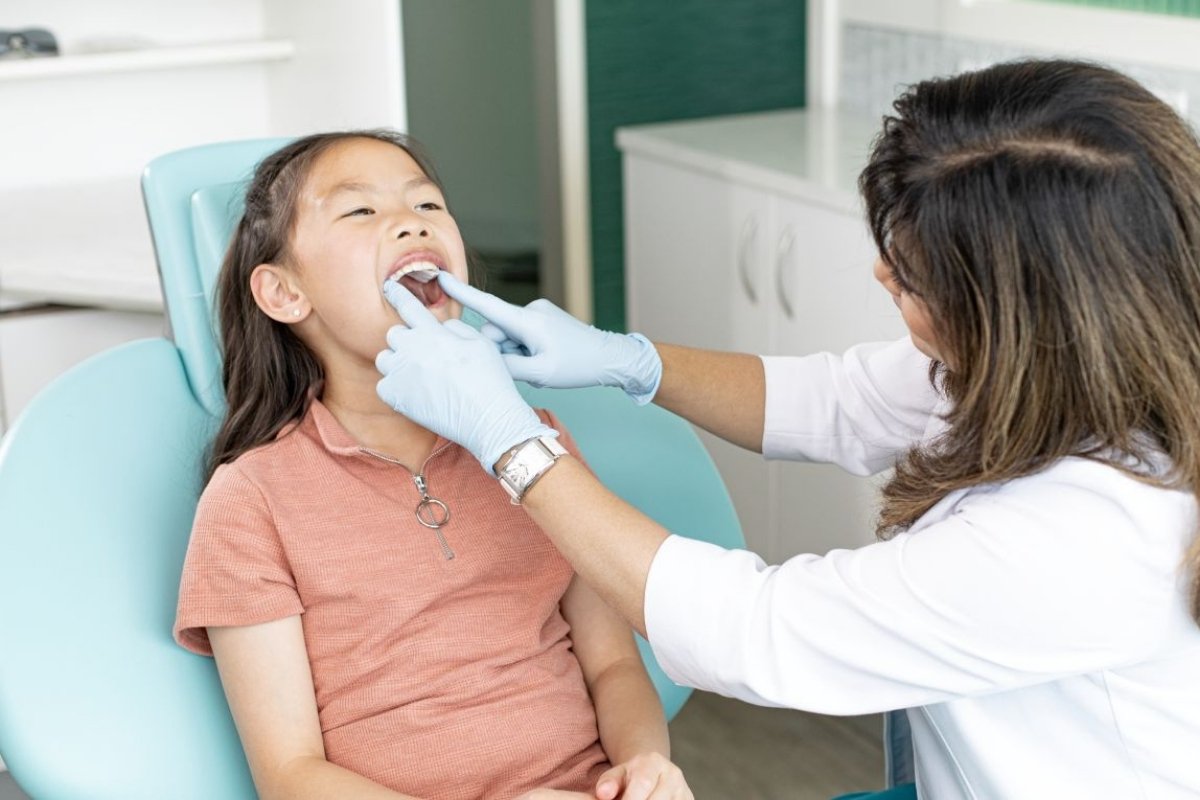
Quick Answer
Occasional mouth breathing can happen during a cold or allergy flare-up. But habitual mouth breathing, especially during sleep, is worth evaluating. It can be linked to blocked nasal breathing, enlarged adenoids or tonsils, allergies, and sometimes a narrow upper jaw. In some children, it may also affect jaw growth, bite development, sleep quality, and long-term oral health.
If your child regularly sleeps with their mouth open, snores, wakes tired, or has crowded teeth or a narrow smile, an assessment may be worthwhile.
Parents often notice mouth breathing long before they think about orthodontics.
A child sleeps with their mouth open. They snore. Their lips stay apart at rest. They always seem tired in the morning, even after a full night in bed. Or they have a narrow upper jaw and crowded teeth, and someone mentions that their breathing may be part of the picture.
This can be confusing, because mouth breathing sounds like a habit. Sometimes it is. But often, it is a sign that something else needs attention.
At Wassan Dental Centre in Muscat, we see many children for early orthodontic assessments where breathing, jaw development, and tooth alignment are all connected.
Is Mouth Breathing Always a Problem?
Not always.
If your child has a cold, blocked nose, or seasonal allergies, mouth breathing may be temporary. The bigger concern is habitual mouth breathing — when a child regularly breathes through the mouth even when they are otherwise well.
Persistent mouth breathing may be associated with:
- blocked nasal breathing
- allergies
- enlarged adenoids or tonsils
- a narrow palate or upper jaw
- poor tongue posture
- disturbed sleep
That does not mean orthodontics is always the first treatment. Often, the best approach is multidisciplinary. Some children benefit from evaluation by an ENT specialist, paediatrician, allergist, or sleep physician alongside an orthodontic assessment.
What Does Mouth Breathing Have to Do With Teeth?
This is where parents are often surprised.
The way a child breathes can influence the way the jaws and teeth develop. When nasal breathing is difficult, the tongue may sit low instead of resting against the palate. Over time, that can contribute to:
- a narrow upper arch
- crossbite
- crowding
- increased overjet
- a longer facial pattern in some children
Orthodontists do not diagnose every medical cause of mouth breathing, but we are trained to notice when the teeth and jaws suggest that the airway picture deserves a closer look.
Signs Parents Should Watch For
You do not need to diagnose the cause yourself. But these are useful clues:
- sleeping with the mouth open
- regular snoring
- dry lips or dry mouth in the morning
- restless sleep
- daytime tiredness or poor concentration
- narrow smile or crowded upper teeth
- frequent dark circles under the eyes
- lips apart at rest
If several of these are present together, it is worth getting advice.
Can Orthodontics Help?
Sometimes — but not in isolation, and not in every case.
If a child has a narrow upper jaw, early orthodontic treatment may help improve arch width and create more room for the teeth and tongue. In selected children, this may also support better oral function and airway-related anatomy. But orthodontic treatment is not a substitute for proper medical evaluation where needed.
For example, if enlarged tonsils or adenoids are the main problem, treating those may be just as important as any orthodontic intervention.
This is why we look at the whole picture. If a child’s teeth suggest airway-related concerns, that may lead to an orthodontic plan, a referral, or both.
Why Early Assessment Matters
One of the biggest advantages of seeing a child early is not that treatment always starts early. It is that you gain clarity while growth is still on your side.
An orthodontic assessment around age 7 can help identify:
- whether the upper jaw is narrow
- whether a crossbite is developing
- whether crowding may worsen
- whether jaw growth appears balanced
- whether the child may benefit from monitoring, medical review, or early orthodontic guidance
Sometimes the answer is simple: everything is fine, let us review in a year. In other cases, early intervention can make future treatment simpler.
What Happens at an Orthodontic Assessment?
At Wassan, the assessment may include:
- a clinical examination
- bite and jaw evaluation
- review of breathing habits and symptoms
- digital scans or photographs where needed
- discussion of whether monitoring, referral, or treatment is appropriate
The aim is not to over-medicalise a common concern. It is to identify children who may benefit from timely guidance.
The Bottom Line
If your child breathes through their mouth occasionally, that is not automatically a problem. But if mouth breathing is persistent — especially when combined with snoring, poor sleep, narrow jaws, or crowded teeth — it is worth looking into.
An orthodontic assessment cannot replace medical diagnosis, but it can identify whether the teeth and jaws are part of the story.
If you are concerned about your child’s breathing, sleep, or jaw development, an early orthodontic check-up can help you understand what is happening and what the next step should be.
What Dr. Siju Looks for During Assessment
Dr. Siju George has assessed thousands of children at Wassan Dental Centre, many of whom were referred specifically because of concerns about breathing and jaw development. With over 20 years of orthodontic experience and advanced training in digital treatment planning, he evaluates the full picture — not just the teeth.
During an assessment, Dr. Siju examines the width of the upper arch, the position of the tongue at rest, the relationship between the upper and lower jaws, and whether the bite pattern suggests restricted airway-related anatomy. If palatal expansion or early interceptive treatment could help, he discusses the options in detail — including whether Invisalign First or an Invisalign Palatal Expander might be appropriate.
Importantly, if the clinical picture suggests the primary issue is medical rather than orthodontic, Dr. Siju will recommend the appropriate specialist referral. The aim is always to ensure the child receives the right care at the right time, not to recommend treatment that is not indicated.
Families travel from Nizwa, Sohar, Salalah, Sur, and across Oman for early orthodontic assessments at Wassan — because getting the right advice early can make a significant difference to a child's development and future treatment needs.
Frequently Asked Questions
Is mouth breathing in children normal?
Can mouth breathing affect jaw growth?
Does mouth breathing mean my child needs braces?
Should I see an ENT or an orthodontist first?
What age should my child have their first orthodontic check-up?
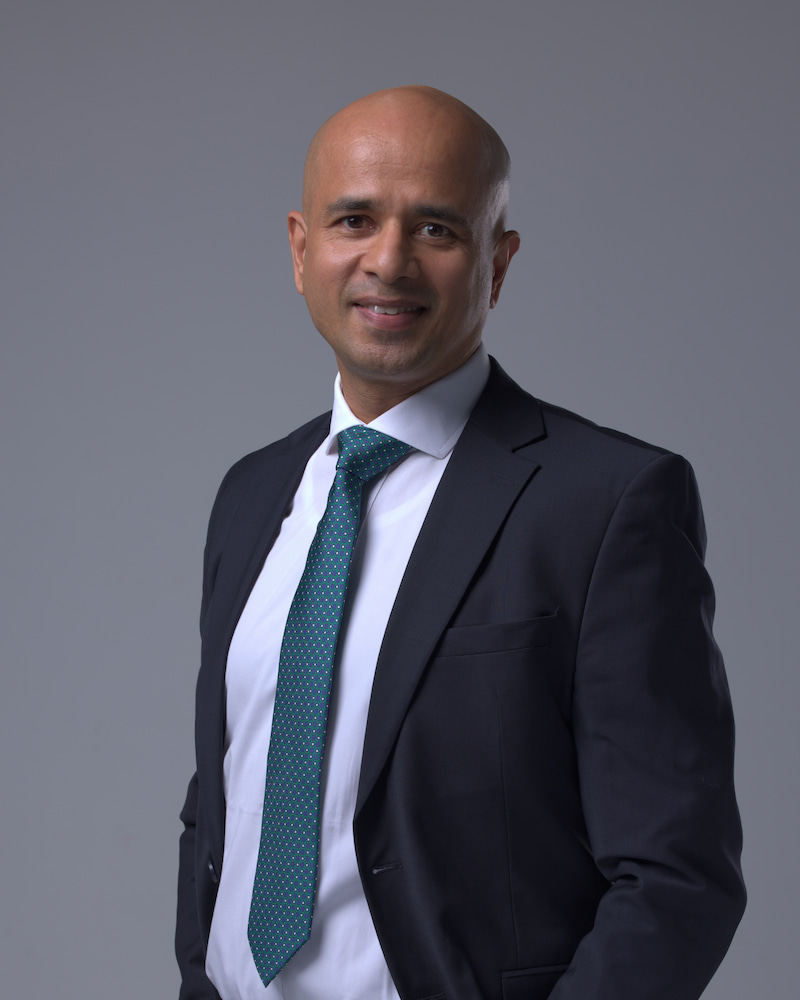
About the Author
Dr. Siju George is a Specialist Orthodontist and Blue Diamond Apex Invisalign Provider at Wassan Specialty Dental Centre, Muscat. With 20+ years of experience and over 12,000 cases treated, Dr. George holds an MSc in Aligner Orthodontics from the University of Turin and is the only Blue Diamond Apex Invisalign Provider in Oman.
Book a Consultation with Dr. Siju George
Wassan Dental Centre, Al Khuwair, Muscat. Open Saturday – Thursday, 9:00 AM – 8:30 PM. A clinical examination and digital scan can show you what treatment involves — with no pressure and no obligation.