
Invisalign with Crowns
A crown (or cap) is a tooth-shaped covering that fits over a damaged or treated tooth. It's cemented permanently in place and becomes, functionally, the outer surface of that tooth.
Yes. The aligner grips the crown's surface just as it would a natural tooth. The crown is attached to the living root underneath, and it's the root that moves through the bone during orthodontic treatment. The crown comes along for the ride.
Crown surfaces are smoother and less porous than natural enamel, which can affect how well Invisalign attachments bond to them. Attachments are small tooth-coloured bumps bonded to specific teeth to give the aligner extra grip for complex movements. On natural teeth, they bond reliably. On porcelain or zirconia crowns, bonding requires different surface preparation and adhesive protocols.
An experienced provider anticipates this. The ClinCheck plan can be adjusted to minimise the need for attachments on crowned teeth, placing them on natural teeth instead where possible. If an attachment on a crown is unavoidable, the bonding technique is modified accordingly.
Will Invisalign damage my crown? No. The forces applied by aligners are gentle and controlled – far below the threshold that would crack or dislodge a well-fitted crown. After treatment, when attachments are removed, the crown surface is polished smooth.
Invisalign with Veneers
Veneers are thin shells – usually porcelain – bonded to the front surface of teeth. They're a cosmetic restoration, and patients who've invested in them understandably worry about damage.
Yes, with the same caveat about attachment bonding. Porcelain veneer surfaces are smooth and require careful bonding technique if attachments are needed.
Ideally, no. The ClinCheck plan should be designed to avoid placing attachments directly on veneered teeth, using adjacent natural teeth for grip instead. If a veneered tooth must have an attachment, the risk of minor surface marking during attachment removal is slightly higher than on natural enamel – though in skilled hands, this is manageable.
Many adult patients who seek Invisalign are planning to get veneers afterward – and orthodontic treatment first is actually the ideal sequence. Moving crowded or misaligned teeth into the correct position before veneers means the cosmetic dentist can use thinner, more conservative veneers with less enamel removal. The result looks more natural and the veneers last longer.
If you're considering both veneers and orthodontics, the order matters: straighten first, veneer second.
Invisalign with Bridges
A bridge replaces a missing tooth by anchoring an artificial tooth to the natural teeth on either side. Those anchor teeth are permanently connected – they move as a unit.
This requires more careful planning. The bridge links multiple teeth together, which means those teeth can't be moved independently. Invisalign can still move the other teeth in the arch, and the treatment plan is designed around the bridge as a fixed unit.
In some cases, the ideal orthodontic plan would require moving the teeth that anchor the bridge independently. If the bridge is old or due for replacement anyway, it may make sense to remove it, move the teeth, and then have a new bridge (or individual crowns and an implant) placed in the corrected positions. This requires coordination between the orthodontist and the restorative dentist – and it's a conversation best had during the initial treatment planning stage.
Sometimes the best long-term plan involves replacing a bridge with an implant. In these cases, Invisalign can reopen and optimise the space for ideal implant placement, after which the bridge is removed and an implant placed. This is pre-prosthetic orthodontics – using alignment to create better conditions for definitive restorative work.
Invisalign with Dental Implants
Here's the important distinction: implants do not move.
A dental implant is an artificial root fused directly to the jawbone (osseointegrated). Unlike natural teeth, which are held in bone by a periodontal ligament that allows controlled movement, an implant is rigid. No amount of aligner pressure will move it.
What does this mean for treatment?
If you have one or two implants, Invisalign can usually work around them. The implant stays where it is, and the natural teeth are moved into optimal positions relative to the implant. The treatment plan simply accounts for the implant as a fixed point.
If you have multiple implants in critical positions, it becomes more complex. The more teeth that can't be moved, the fewer options the orthodontist has for achieving the ideal alignment. It's still often possible – but the planning requires more nuance.
Important timing note: If you know you'll need both implants and orthodontics, do the orthodontics first. Move all the natural teeth into their ideal positions, then place the implant in the optimal site. An implant placed before orthodontics becomes an immovable anchor that constrains the entire treatment plan.
How Existing Dental Work Affects Treatment Planning
The presence of restorations doesn't just change what's physically possible – it changes how the treatment should be planned.
For example:
A patient with crowns on their upper front teeth and natural lower teeth may have different wear patterns, different gum heights, and different tooth proportions than someone with all-natural teeth. The ClinCheck plan needs to account for these asymmetries and plan a result that looks harmonious despite the mix of natural and restored teeth.
A patient with a failing bridge may benefit from a combined approach: orthodontic treatment to reposition teeth, followed by replacement of the bridge with implants or individual restorations in the corrected positions. This is a multi-stage plan that requires the orthodontist and restorative team to collaborate from the beginning.
A patient who had veneers placed on crooked teeth – where the veneers masked the misalignment rather than correcting it – may now have teeth that are structurally weakened by excessive enamel removal. Moving these teeth orthodontically requires caution and appropriate force levels.
These are the kinds of considerations that an experienced adult orthodontics provider navigates routinely. It's one reason why provider experience – particularly with adult cases and complex restorative coordination – matters so much.
The Bottom Line
Having existing dental work doesn't disqualify you from Invisalign. In fact, adults with crowns, veneers, and other restorations are some of the most common Invisalign patients I treat.
What it does require is a provider who understands the interactions between orthodontic forces and dental restorations, who plans treatment around existing work rather than despite it, and who coordinates with your restorative dentist when needed.
If you're unsure whether your dental history is compatible with Invisalign, the best step is a consultation where I can examine your specific situation, review your existing restorations, and tell you honestly what's possible.
Frequently Asked Questions
Can I get Invisalign if I have crowns?
Can Invisalign work with veneers?
Do implants move with Invisalign?
Should I straighten teeth before veneers?
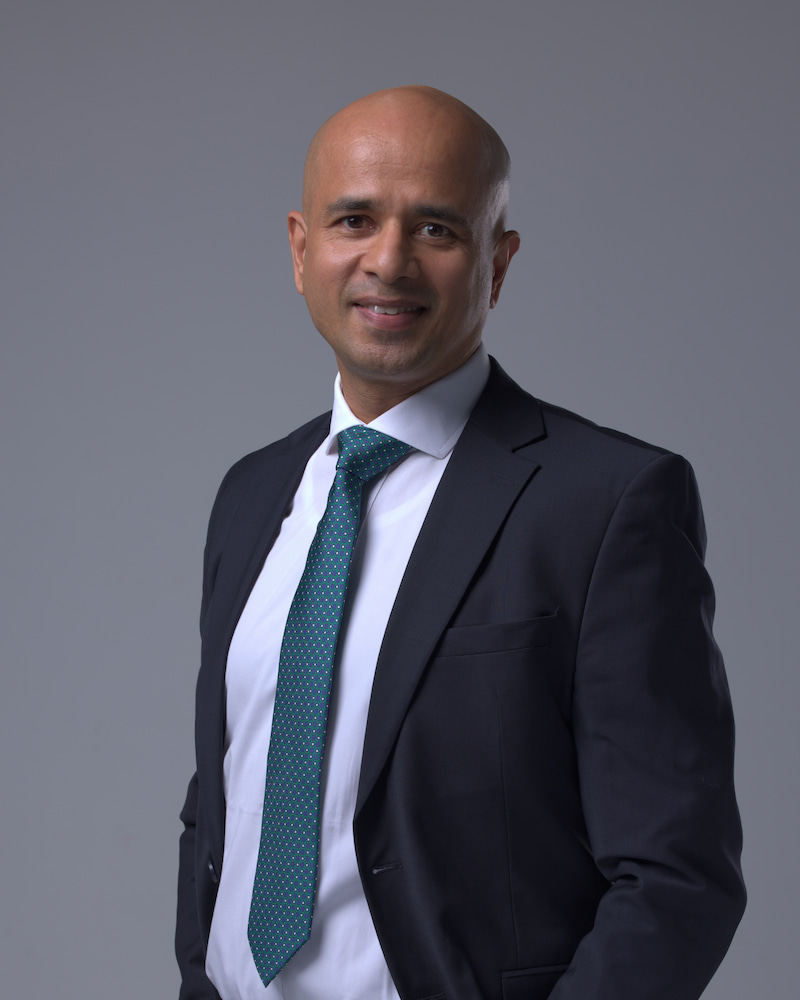
About the Author
Dr. Siju George is a Specialist Orthodontist and Blue Diamond Invisalign Provider at Wassan Specialty Dental Centre, Muscat. With 20+ years of experience and over 12,000 cases treated, Dr. George holds an MSc in Aligner Orthodontics from the University of Turin and is the only Blue Diamond Invisalign Provider in Oman.
Book a Consultation with Dr. Siju George
Wassan Dental Centre, Al Khuwair, Muscat. Open Saturday – Thursday, 9:00 AM – 8:30 PM. A clinical examination and digital scan can show you what treatment involves — with no pressure and no obligation.