Quick Answer
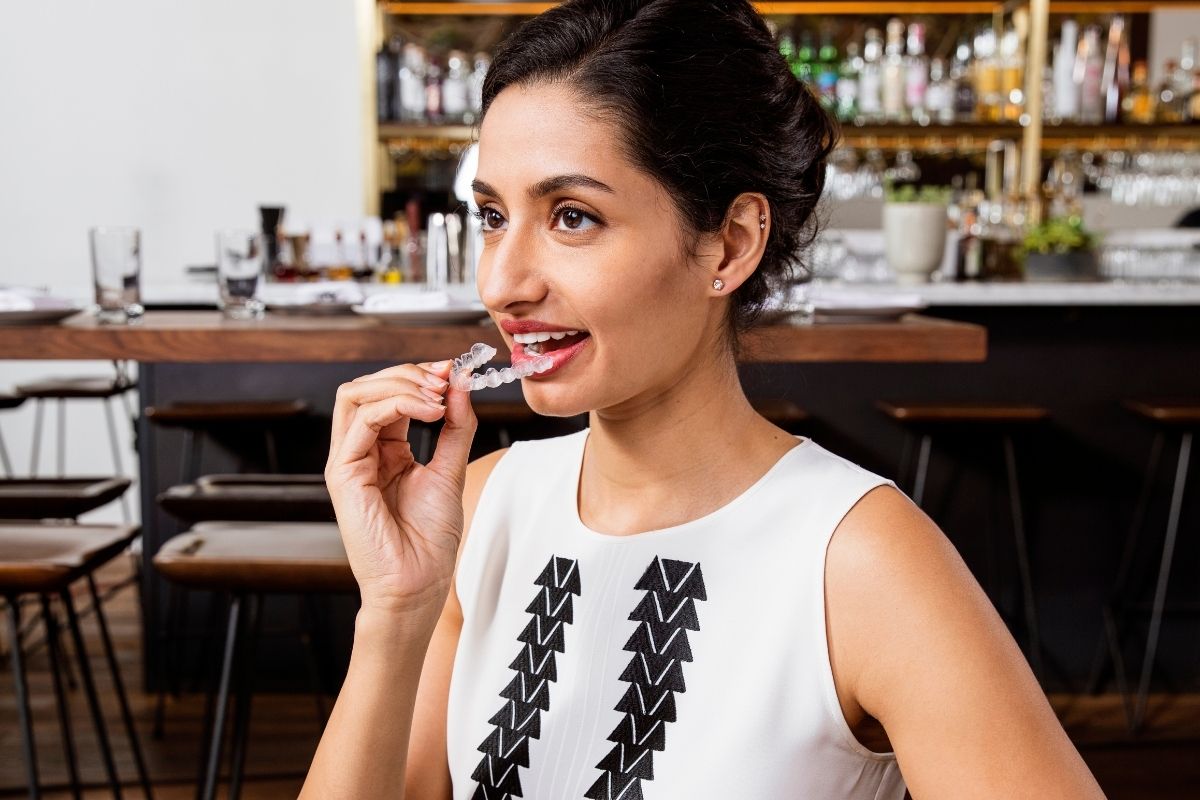
Yes, Invisalign can often correct teeth that have shifted after previous braces. These cases are called orthodontic relapse. Treatment may be simple if the relapse is mild, but the bite, gum health and previous treatment history must be assessed before deciding the best plan.
Many adult Invisalign patients are not starting orthodontics for the first time.
They had braces years ago. Their teeth looked good. Then life happened. Retainers were worn less often, then stopped completely. Slowly, the teeth shifted.
This is one of the most common reasons adults visit an orthodontist in Muscat.
Why Teeth Move After Braces
Teeth can move after orthodontic treatment because:
- retainers were not worn consistently
- retainers broke or stopped fitting
- the lower front teeth naturally crowded with age
- gum or bone support changed
- bite forces shifted
- wisdom teeth or dental changes occurred
- previous treatment did not fully stabilise the bite
Relapse does not always mean the first treatment was poor. It often means retention did not continue long enough.
Is Invisalign Good for Relapse Cases?
Often, yes.
Invisalign can be a good option for adults with:
- mild to moderate lower front crowding
- small gaps that reopened
- rotated front teeth
- relapse after teenage braces
- teeth shifting before a wedding or event
- adults who do not want visible braces again
Because the teeth have previously been aligned, some relapse cases may be more limited in scope than full first-time treatment. But that is not always true. If the bite has changed significantly, the case may require more comprehensive planning.
Why You Still Need a Full Assessment
It may look like “just one crooked tooth,” but the orthodontist has to check:
- the bite relationship
- gum health
- root positions
- tooth wear
- bone support
- whether old retainers are still suitable
- whether the relapse is dental or bite-related
Treating relapse without checking the bite can create new problems.
Can I Use My Old Retainer to Move Teeth Back?
This is a common question.
If your old retainer feels slightly snug, ask your orthodontist before using it. If it no longer fits properly, do not force it. A retainer is designed to hold teeth, not move them significantly.
Forcing it can damage teeth, gums or the retainer itself.
What Invisalign Retreatment Looks Like
The process usually includes:
- consultation and orthodontic assessment
- digital 3D scan
- smile and bite simulation
- customized aligner plan
- wearing aligners 20–22 hours per day
- progress reviews
- retainers after treatment
The most important part is not only moving the teeth back. It is keeping them there.
Retainers After Retreatment
If your teeth moved once, they can move again.
That is why retention must be taken seriously after Invisalign retreatment. Your orthodontist may recommend:
- removable night retainers
- fixed bonded retainers
- both fixed and removable retainers
- periodic retainer checks
The retainer phase is not the end of treatment. It is the protection phase.
Why Adults in Oman Choose Invisalign for Relapse
Adults often prefer Invisalign because:
- it is discreet
- it fits professional life
- eating and brushing are easier
- appointments may be less frequent than braces
- treatment can be planned around travel and work
For expat patients in Oman, treatment planning should also consider possible relocation timelines.
The Bottom Line
If your teeth have shifted after braces, you are not alone — and you are not “back to zero.”
Invisalign can often correct orthodontic relapse in a discreet and efficient way. The key is a proper assessment, a realistic plan, and long-term retention after treatment.
How Dr. Siju Manages Retreatment Cases
Dr. Siju George sees many retreatment cases at Wassan Dental Centre — adults whose teeth have shifted after braces or other orthodontic treatment years earlier. Some had their braces removed as teenagers and stopped wearing their retainers. Others lost or broke their retainers and noticed gradual shifting over months or years.
With over 12,000 cases treated, Dr. Siju has extensive experience planning retreatment with Invisalign. In many cases, retreatment is simpler and shorter than the original treatment because the underlying bite was already corrected — only the tooth positions need to be refined.
The assessment begins with a thorough evaluation of the current tooth positions, bite, and any changes that have occurred since the previous treatment. Dr. Siju uses digital scanning and ClinCheck to design a targeted treatment plan that addresses the specific areas of relapse.
One advantage of choosing a Blue Diamond Apex Invisalign Provider for retreatment is the depth of experience with complex and non-standard cases. Relapse patterns can be unpredictable, and the retreatment plan needs to account for why the teeth shifted — not just move them back to where they were before.
Patients from across Oman choose Wassan for retreatment because they want their case managed by a specialist who treats these situations regularly and can plan for long-term stability from the outset.
Frequently Asked Questions
Can Invisalign fix teeth that moved after braces?
Is relapse treatment faster than first-time braces?
Do I need retainers again after Invisalign?
Can I wear my old retainer?
Is relapse common?
About the Author
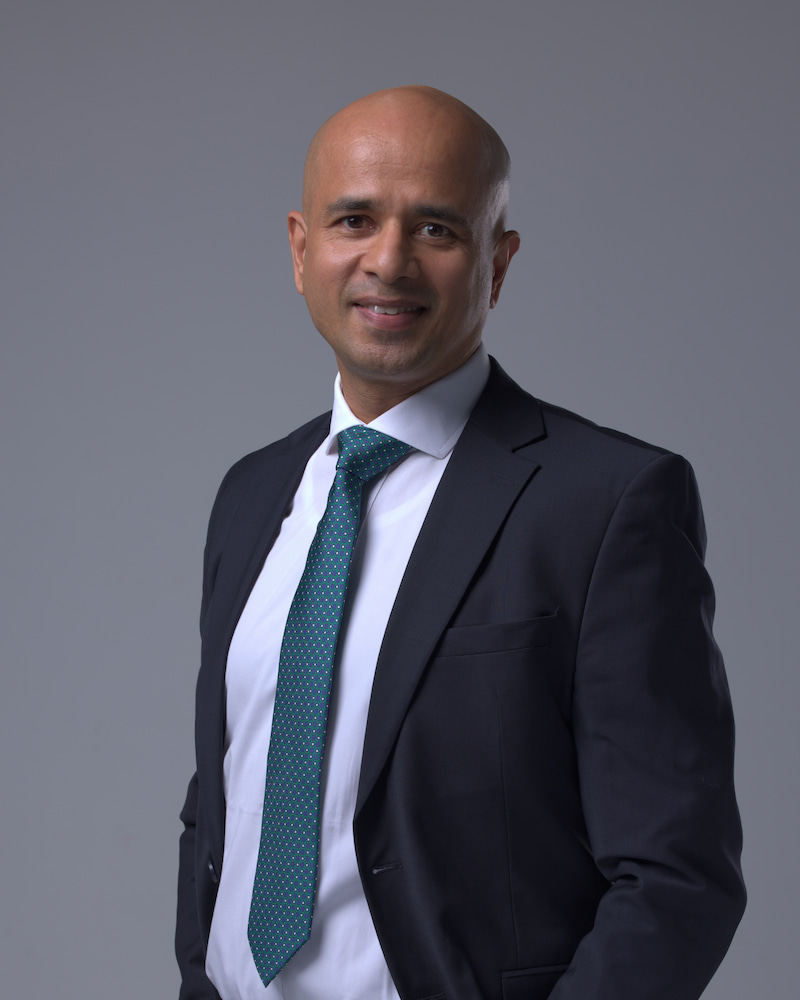
Dr. Siju George is a Specialist Orthodontist and Blue Diamond Invisalign Provider at Wassan Specialty Dental Centre, Muscat. With 20+ years of experience and over 12,000 cases treated, Dr. George holds an MSc in Aligner Orthodontics from the University of Turin and is the only Blue Diamond Invisalign Provider in Oman.
Book a Consultation with Dr. Siju George
Wassan Dental Centre, Al Khuwair, Muscat. Open Saturday – Thursday, 9:00 AM – 8:30 PM. A clinical examination and digital scan can show you what treatment involves — with no pressure and no obligation.