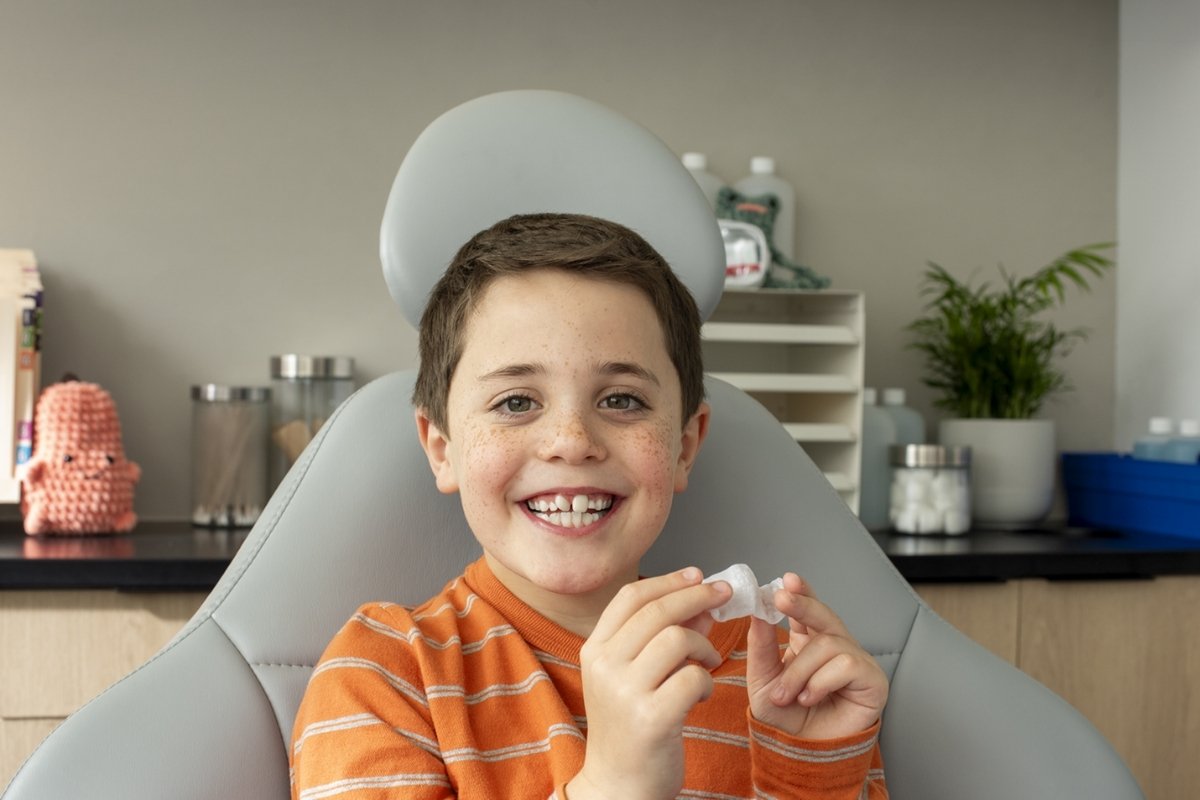
What Is a Narrow Palate – and Why Does It Matter?
The upper jaw (maxilla) is actually two halves joined by a flexible seam called the midpalatal suture. In children, this seam hasn't fully fused yet, which means we have a window of opportunity to gently widen it.
A narrow upper jaw causes several problems:
where the upper back teeth bite inside the lower teeth instead of outside them. Left untreated, this can lead to asymmetric jaw growth and uneven wear on teeth.
there simply isn't enough room in the arch for all the permanent teeth to come in straight. Rather than extracting teeth later, widening the jaw creates the space naturally.
this is the one parents often don't connect to their child's teeth. A narrow palate means a narrow nasal floor, which can contribute to mouth breathing, snoring, disturbed sleep, and daytime fatigue. A child who is always tired or struggling to focus may need a broader assessment, including airway, ENT, sleep and orthodontic factors.
How the Invisalign Palatal Expander Works
Traditional palatal expanders are bulky metal frameworks cemented to the teeth, with a screw mechanism that parents turn daily. They work – but they're uncomfortable, make eating and speaking difficult, and can be distressing for young children.
The Invisalign Palatal Expander takes a completely different approach. It uses a series of clear, removable aligners – similar to standard Invisalign but specifically engineered for skeletal expansion in growing children.
The system applies controlled, gradual force to the palatal suture, encouraging it to widen naturally. Because the force is distributed across the entire arch rather than concentrated on a few teeth, the expansion tends to be more physiological – working with the body's natural growth rather than forcing it.
What makes it different from a traditional expander
The aligners are removable, which means eating, brushing, and daily life aren't disrupted. There are no metal components cemented to the teeth. The child swaps to a new aligner at regular intervals, each one gently progressing the expansion. And because the appliance is virtually invisible, the social anxiety that many children feel with visible orthodontic hardware simply isn't there.
I presented on this technology at the Invisalign global conference, because I believe it represents a genuine shift in how we approach early orthodontic intervention. We're no longer asking children to tolerate discomfort for months – we're offering them a solution that fits into their life.
Who Is It For?
The Invisalign Palatal Expander is designed for children – typically between ages 6 and 10 – whose midpalatal suture hasn't yet fused. This is the ideal window for skeletal expansion, which is why I always encourage parents to bring their children for a first orthodontic assessment around age 7.
It's suitable for children with:
- Posterior crossbites (one side or both)
- A narrow upper arch with early signs of crowding
- Mild to moderate palatal constriction
- Mouth breathing linked to a narrow nasal floor
It's not suitable for every case. Severe skeletal discrepancies, very young children who can't manage removable appliances, or cases where the suture has already begun to fuse may still require a traditional expander or a surgically assisted approach. This is why a specialist assessment matters – the right tool depends on the specific child and the specific problem.
Why Early Assessment Changes Everything
The biggest regret I hear from parents is: "I wish we'd come in earlier."
I understand why families wait. If the child's teeth don't look dramatically crooked, it seems reasonable to wait until all the adult teeth are through. But by then – usually around age 12 or 13 – the palatal suture has begun to fuse, the jaw bones have hardened, and the window for easy, non-surgical expansion is closing.
Early assessment at age 7 doesn't necessarily mean starting treatment immediately. Often, I'll see a child and say "everything looks fine, let's monitor." But when there is a problem – a crossbite, a narrow arch, mouth breathing – catching it early means:
- Simpler treatment. Expanding a flexible palatal suture in a seven-year-old is far easier than trying to move fused bone in a teenager.
- Avoiding extractions later. Creating arch space early means permanent teeth often have room to come in naturally, reducing the chance of needing teeth removed as a teen.
- Better breathing and sleep. If a narrow palate is contributing to airway restriction, addressing it early may support nasal airway dimensions and sleep quality in selected cases, alongside appropriate medical assessment – things that have nothing to do with how teeth look and everything to do with how a child functions day to day.
- Less invasive orthodontics as a teen. A child who had early expansion often needs a simpler, shorter course of braces or aligners later, if they need anything at all.
What Treatment Looks Like in Practice
At Wassan Dental Centre, the process begins with a thorough assessment: clinical examination, 3D digital scans, photographs, and radiographs to evaluate the palate, the suture, the developing teeth, and the airway.
If the Invisalign Palatal Expander is appropriate, I design a digital treatment plan showing the projected expansion and tooth movement. Parents can see the planned outcome before we start.
The child receives a series of aligners, worn for the recommended hours daily (typically 20-22 hours, removed for eating and brushing). Progress is monitored at regular intervals. Most expansion phases take several months, followed by a stabilisation period.
Children generally adapt quickly – far faster than with a traditional cemented expander. And because the aligners are removable, they can play sports, eat normally, and brush their teeth without the struggle that metal appliances create.
A Note on Airway Orthodontics
This is an area I'm deeply passionate about. Orthodontics isn't just about straight teeth – it's about how the jaws, teeth, and airway work together. A child who breathes through their mouth because their palate is too narrow isn't just at risk for crooked teeth. They're at risk for:
- Disrupted sleep and reduced oxygen saturation
- Chronic fatigue affecting school performance and mood
- Altered facial growth patterns (long face syndrome)
- Increased susceptibility to dental decay and gum disease
When I see a child who snores, sleeps with their mouth open, has dark circles under their eyes, and is "always tired" – I don't just look at their teeth. I look at the full picture. And often, the jaw is the key.
If your child is a mouth breather – don't wait for braces. Check the cause first.
Medical note: Sleep apnea is a medical diagnosis. Orthodontic assessment can identify jaw, bite, arch-width and oral-habit factors that may be relevant, but children or adults with snoring, pauses in breathing, daytime sleepiness or persistent mouth breathing should also be assessed by an appropriate medical or ENT professional.
The Takeaway for Parents
You don't need to wait until your child's teeth look obviously crooked to see an orthodontist. By the time crowding is visible, the simplest treatment window may have already passed.
A check-up around age 7 is not about rushing into treatment. It's about having information. It's about knowing whether growth is on track, whether the airway is clear, and whether a small intervention now could prevent a bigger one later.
The Invisalign Palatal Expander is one of the tools that makes early intervention gentler and more practical than it's ever been. But the first step is always the same: an assessment with a specialist who can look at the whole picture.
Frequently Asked Questions
What is the Invisalign Palatal Expander?
What age is best for palatal expansion?
Can a palatal expander help breathing?
Is every child suitable?
About the Author
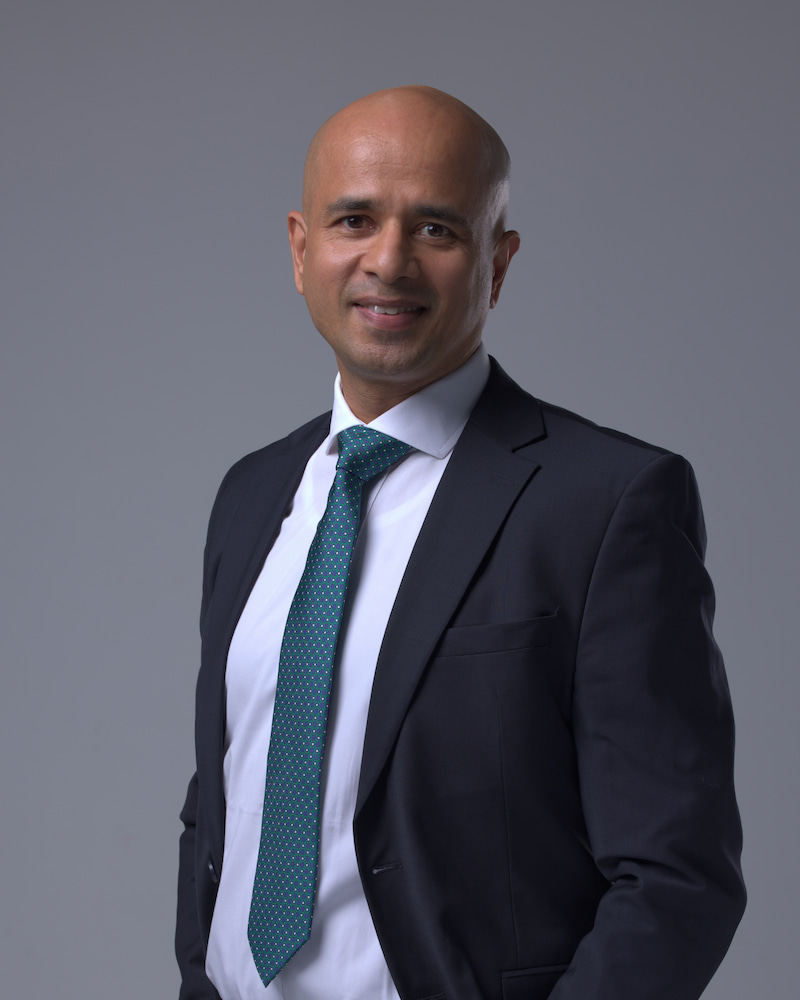
Dr. Siju George is a Specialist Orthodontist and Blue Diamond Invisalign Provider at Wassan Specialty Dental Centre, Muscat. With 20+ years of experience and over 12,000 cases treated, Dr. George holds an MSc in Aligner Orthodontics from the University of Turin and is the only Blue Diamond Invisalign Provider in Oman.
Book a Consultation with Dr. Siju George
Wassan Dental Centre, Al Khuwair, Muscat. Open Saturday – Thursday, 9:00 AM – 8:30 PM. A clinical examination and digital scan can show you what treatment involves — with no pressure and no obligation.