
First: Understand Who Is Actually Treating You
This is the most important distinction in orthodontics, and the one most patients don't know to ask about.
is a dentist who completed dental school and then did an additional 2-3 years of full-time specialist training exclusively in orthodontics. This postgraduate training covers biomechanics (how teeth move through bone), growth and development of the face and jaws, complex bite correction, and treatment of conditions that a general dental degree doesn't cover in depth.
completed dental school and may have taken short courses or weekend certifications in Invisalign or braces. In some countries, general dentists are permitted to provide orthodontic treatment. In Oman, they are not. Under Ministry of Health regulations, orthodontic treatment – braces and clear aligners such as Invisalign alike – may only be provided by a licensed orthodontist, and general dentists are required to refer these cases to a specialist.
Specialist training is what equips a clinician to handle complex problems – a crossbite, an impacted canine, a skeletal Class III – where accurate diagnosis and careful treatment planning make all the difference. In Oman, though, you don't have to weigh this case by case: because orthodontic treatment is reserved for licensed orthodontists, the person planning and delivering your treatment should always be a registered specialist.
What to ask: "Are you a specialist orthodontist registered with the Ministry of Health?" In Oman, orthodontic treatment should only be provided by one – so it's a fair question, and a good provider will answer it clearly.
And just as important: will the same orthodontist see you through?
Knowing whether your doctor is a specialist is the first question. The second is whether you'll be treated by the same person from start to finish.
Orthodontics isn't a single procedure – it's a relationship that runs over months or years, built on one clinician knowing your case, watching how your teeth respond, and adjusting the plan as they go. Some clinics work differently: treatment is shared across visiting doctors who come for short periods, or the clinician who started your case isn't the one you see at your next visit. When no single person owns your treatment from beginning to end, continuity suffers – and with it, your progress, your follow-up appointments, and how any emergencies or delays get handled.
I've seen where this leads. One patient came to me already more than four years into treatment, having been seen by nine different doctors at the same clinic – each inheriting a case they hadn't planned, none of them seeing it through. Four years is far longer than most cases should take, and the lack of continuity was a large part of why.
So alongside qualifications, a few simple, practical questions are worth asking: - Will the same orthodontist treat me throughout the whole course of treatment? - Is the doctor full-time and based here in Oman, or visiting periodically? - How long has this doctor been at this clinic? - If I have a problem or an emergency between appointments, who will I see?
None of this is about any one clinic. It's about making sure that whoever starts your treatment will be there to finish it.
For what it's worth, these are questions we're happy to answer about ourselves. I've been at Wassan for 23 years and my colleague Dr. Skanda Ramesh for four. We're both full-time and based here in Oman – not visiting – and one of us will see you at your follow-up appointments throughout your treatment. That continuity isn't a luxury; it's what lets us track a case properly month to month and act quickly if something needs attention.
The Checklist: What to Evaluate Before You Start
1. Qualifications and specialisation
Look for a postgraduate degree in orthodontics – an MDS, MSc, or equivalent in Orthodontics and Dentofacial Orthopaedics. In Oman, the Ministry of Health registers specialists separately from general practitioners. You can verify a doctor's specialist status.
2. Experience with your type of case
A doctor who is excellent with teen braces may not have deep experience with adult aligner cases, or vice versa. Ask to see before-and-after examples of cases similar to yours – not just their best results, but cases with your specific type of problem (crowding, open bite, spacing, relapse).
If a provider can only show you simple cases, and yours is complex, that's information worth having.
3. Invisalign provider tier (if you're considering aligners)
If Invisalign is on your radar, check your provider's tier on the official Invisalign website (invisalign.com.om). The tier – from Bronze to Blue Diamond – reflects annual case volume and, by extension, experience with the system. This isn't the only factor, but it's a useful data point.
4. Technology and diagnostic tools
Modern orthodontic treatment relies on accurate diagnostics. At minimum, a clinic should offer: - Digital X-rays (panoramic and cephalometric) - Intraoral photographs - For Invisalign: an iTero digital scanner for 3D impressions
Advanced practices also use CBCT (3D cone beam) imaging for complex cases. Digital scanning has largely replaced traditional putty impressions – if a clinic is still using putty moulds for Invisalign, that's outdated.
5. Treatment planning transparency
Before you commit to treatment, you should understand: - What specific movements are being planned - How long treatment is expected to take - What's included in the quoted price (refinements? retainers? emergency visits?) - What the contingency plan is if things don't go as expected
For Invisalign patients, a good provider will show you the ClinCheck – the 3D digital simulation of your treatment from start to finish. You should be able to see, step by step, how your teeth will move. If a provider starts treatment without showing you this, ask why.
6. The consultation experience
A good consultation is not a sales pitch. It should feel like a clinical assessment: - The doctor examines your teeth, bite, and jaw function - They explain what they see – what's wrong and what might happen if it's left untreated - They discuss options honestly, including options that might not involve their clinic - They don't pressure you to sign up on the same day
If the consultation feels rushed, or if you're handed off to a coordinator who discusses pricing before the doctor has even examined you, that tells you something about the clinic's priorities.
Red Flags to Watch For
Over 23 years of practice, I've seen patterns in cases that come to me after going wrong elsewhere. Here's what to be wary of:
"You need to start today." Orthodontic treatment is elective and planned. There is almost never a reason you need to commit on the same day as your consultation. A provider who pressures you to decide immediately may be prioritising their schedule over your decision-making.
Extractions proposed without thorough justification. Extracting permanent teeth is sometimes necessary – but it should never be the default approach. If you're told teeth need to be removed, ask why, ask what the alternatives are, and consider a second opinion. In my practice, I actively look for non-extraction solutions wherever possible.
Treatment started abroad or by a non-specialist. I see this more than I'd like – patients who started orthodontic treatment during a holiday visit to their home country, or at a general dental clinic, and return with complications. Orthodontics requires consistent follow-up. If your provider can't see you regularly over 12-24 months, the treatment is at risk.
Extremely low prices. Orthodontic treatment has real costs – materials, lab fees, specialist time, follow-up visits. A price that's dramatically below market usually means something has been cut: fewer aligners, no refinements, less experienced hands on the plan, or a treatment scope that doesn't address your full problem.
No before-and-after portfolio. Every experienced orthodontist has cases to show. If a clinic can't or won't show you completed cases similar to yours, proceed cautiously.
The Second Opinion Is Always Worth It
If you've had a consultation and you're unsure – whether about the diagnosis, the treatment plan, or the proposed extractions – get a second opinion. This is standard in medicine and entirely appropriate in orthodontics.
A second opinion doesn't mean you distrust your first provider. It means you're making an informed decision about a treatment that will affect your teeth for the rest of your life. Any good orthodontist will welcome a patient who's done their homework.
At Wassan, a significant number of our patients come specifically for second opinions – particularly for cases involving extractions, surgery recommendations, or treatment that hasn't gone as expected elsewhere. Sometimes I agree with the original plan. Sometimes I offer a different path. Either way, the patient leaves with more clarity.
Finally: Trust Your Instinct
After checking qualifications, reviewing cases, and asking questions, there's still a human element. Do you feel listened to? Does the doctor explain things in a way you understand? Do you trust that they're recommending what's best for you, not what's best for their revenue?
Your orthodontic relationship will last 1-2 years. You'll see this person regularly. You'll trust them with decisions about your teeth, your bite, and your smile. Choose someone whose judgment, communication, and values you feel confident in.
Frequently Asked Questions
What should I ask before choosing an orthodontist?
Should I see a specialist orthodontist or a dentist?
What are red flags?
Why is a digital scan helpful?
Will I see the same orthodontist throughout my treatment?
About the Author
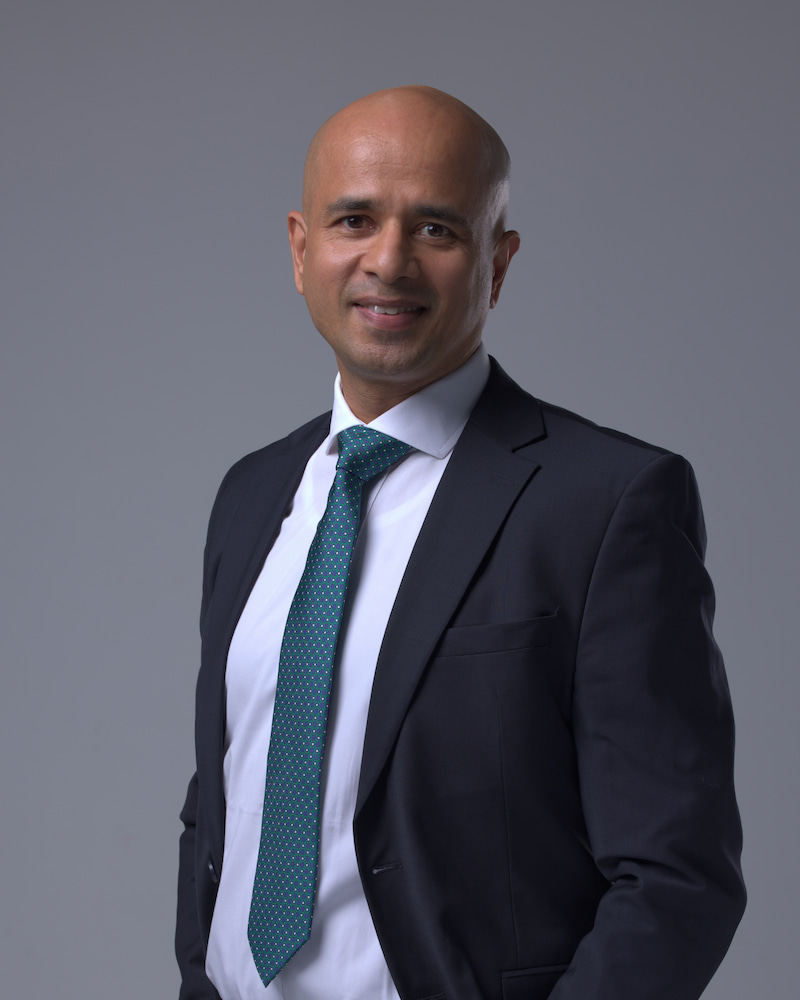
Dr. Siju George is a Specialist Orthodontist and Blue Diamond Apex Invisalign Provider at Wassan Specialty Dental Centre, Muscat. With 20+ years of experience and over 12,000 cases treated, Dr. George holds an MSc in Aligner Orthodontics from the University of Turin and is the only Blue Diamond Apex Invisalign Provider in Oman.
Book a Consultation with Dr. Siju George
Wassan Dental Centre, Al Khuwair, Muscat. Open Saturday – Thursday, 9:00 AM – 8:30 PM. A clinical examination and digital scan can show you what treatment involves — with no pressure and no obligation.