
First: What Is a "Bite Problem"?
Most people think orthodontics is about straight teeth. And straight teeth are part of it – but the real goal of orthodontic treatment is a functional bite.
Your bite is how your upper and lower teeth come together when you close your mouth. When the bite is correct, forces are distributed evenly, chewing is efficient, jaw joints function smoothly, and teeth wear evenly over decades.
When the bite is off – what orthodontists call a malocclusion – problems accumulate over time: uneven tooth wear, jaw pain, headaches, difficulty chewing, gum recession, and teeth that are harder to clean (leading to decay and gum disease).
Straightening teeth without correcting the bite is like painting a house with a cracked foundation. It looks better temporarily, but the underlying problem remains.
Types of Bite Problems
Overbite (Deep Bite)
The upper front teeth overlap the lower front teeth excessively – sometimes so much that the lower teeth bite into the gum behind the upper teeth. A normal overbite is about 2-3mm. A deep bite may be 5mm or more.
Wear on the lower front teeth, damage to the gum tissue behind the upper front teeth, jaw joint strain, and a "gummy" appearance when smiling.
Yes – and this is one of the areas where modern Invisalign has improved dramatically. Using precision attachments and specific biomechanical strategies, aligners can intrude (push up) the upper front teeth and/or extrude (pull down) the back teeth to open the bite. Deep bite correction is one of the most common treatments I provide with Invisalign.
See real deep bite cases →Underbite (Class III)
The lower teeth sit in front of the upper teeth when biting. This can be a dental issue (the teeth are angled incorrectly) or a skeletal issue (the lower jaw is physically larger or more forward than the upper jaw).
Difficulty biting and chewing, uneven wear, jaw joint issues, and facial profile concerns.
Dental underbites – where the jaw sizes are relatively normal but the teeth are positioned incorrectly – respond well to Invisalign. I've treated patients with Class III malocclusions using aligners alone, achieving results that previously would have required fixed braces or surgery.
See real underbite cases →Skeletal underbites – where the jaw itself is the problem – are more complex. Mild to moderate skeletal discrepancies can sometimes be camouflaged with aligners, especially with careful planning. Severe skeletal underbites may genuinely require surgical correction. But "severe" is the key word. Many patients told they need surgery have cases that, in the right hands, can be managed without it.
Crossbite
One or more upper teeth sit inside the lower teeth instead of outside them. This can occur on one side (unilateral) or both sides (bilateral), and can involve front teeth (anterior crossbite) or back teeth (posterior crossbite).
Asymmetric jaw growth in children, uneven wear on teeth, jaw joint problems, and gum recession on the affected teeth.
Yes – posterior crossbites are very effectively treated with aligners. The aligner applies controlled force to tip or bodily move the upper teeth outward while coordinating the lower arch. For children, the Invisalign Palatal Expander specifically addresses narrow upper jaws that cause posterior crossbites. Anterior crossbites can also be addressed with aligners in most cases.
See real crossbite cases →Open Bite
The front teeth don't touch when the back teeth are biting together. There's a visible gap between upper and lower front teeth, even when the mouth is closed.
Difficulty biting into food (try eating a sandwich when your front teeth don't meet), speech issues, and excessive wear on the back teeth which bear all the chewing force.
This is historically one of the most challenging bite problems in orthodontics – and one where Invisalign has made remarkable progress. By intruding the back teeth (pushing them into the bone) and allowing the jaw to rotate closed, aligners can effectively close many open bites.
See real open bite cases →I've treated open bite patients who were told surgery was their only option – and achieved stable, functional results with aligners. Not every case can avoid surgery, but a specialist experienced with advanced aligner biomechanics should evaluate the possibility before a surgical path is chosen.
When Surgery Really Is Needed
I want to be balanced here. I'm known for avoiding surgery and extractions wherever possible – and I believe strongly in exploring non-surgical options first. But there are cases where surgery is genuinely the best treatment:
- Severe skeletal discrepancies where the jaw size mismatch is beyond what tooth movement can compensate for
- Cases where facial aesthetics are significantly affected by jaw position, and the patient's goals include changing their facial profile
- Adult patients whose growth is complete and whose skeletal imbalance is too large for orthodontic camouflage alone
In these cases, I work with oral surgeons to plan combined surgical-orthodontic treatment. The key is that the decision should be made after thorough assessment – including 3D imaging – and with full understanding of both the surgical and non-surgical options.
If you've been told you need surgery and you're not sure, a second opinion is always reasonable.
The Importance of Treating Function, Not Just Appearance
I often meet patients who want "straight front teeth" – and that's a valid goal. But if their bite is off and we only straighten the visible teeth without addressing the bite, we've created a cosmetic improvement with an underlying functional problem.
My approach is always to treat the full picture: alignment, bite, function, and stability. When all four are addressed, the result looks better, works better, and lasts longer.
As I tell my patients: "Most people think orthodontics is just about straight teeth. But real results come from fixing how things work, not just how they look."
Important note on jaw pain and TMD: Temporomandibular disorders are multifactorial. Orthodontic treatment is not a universal cure for TMJ/TMD symptoms. In some patients, improving bite balance may be one part of care, but persistent jaw pain should be assessed carefully and may require physiotherapy, oral splints, medical review or other conservative management.
Frequently Asked Questions
Can Invisalign fix an overbite or deep bite?
Can Invisalign fix an underbite?
Can Invisalign fix crossbite?
Why is bite correction important?
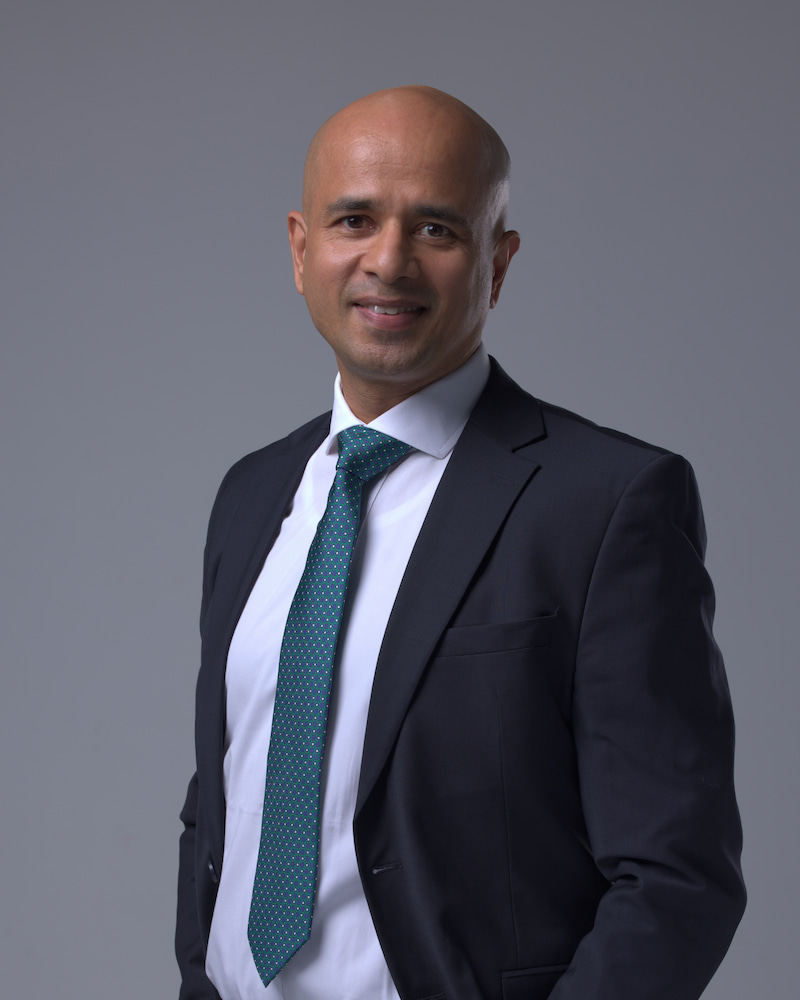
About the Author
Dr. Siju George is a Specialist Orthodontist and Blue Diamond Apex Invisalign Provider at Wassan Specialty Dental Centre, Muscat. With 20+ years of experience and over 12,000 cases treated, Dr. George holds an MSc in Aligner Orthodontics from the University of Turin and is the only Blue Diamond Apex Invisalign Provider in Oman.
Book a Consultation with Dr. Siju George
Wassan Dental Centre, Al Khuwair, Muscat. Open Saturday – Thursday, 9:00 AM – 8:30 PM. A clinical examination and digital scan can show you what treatment involves — with no pressure and no obligation.