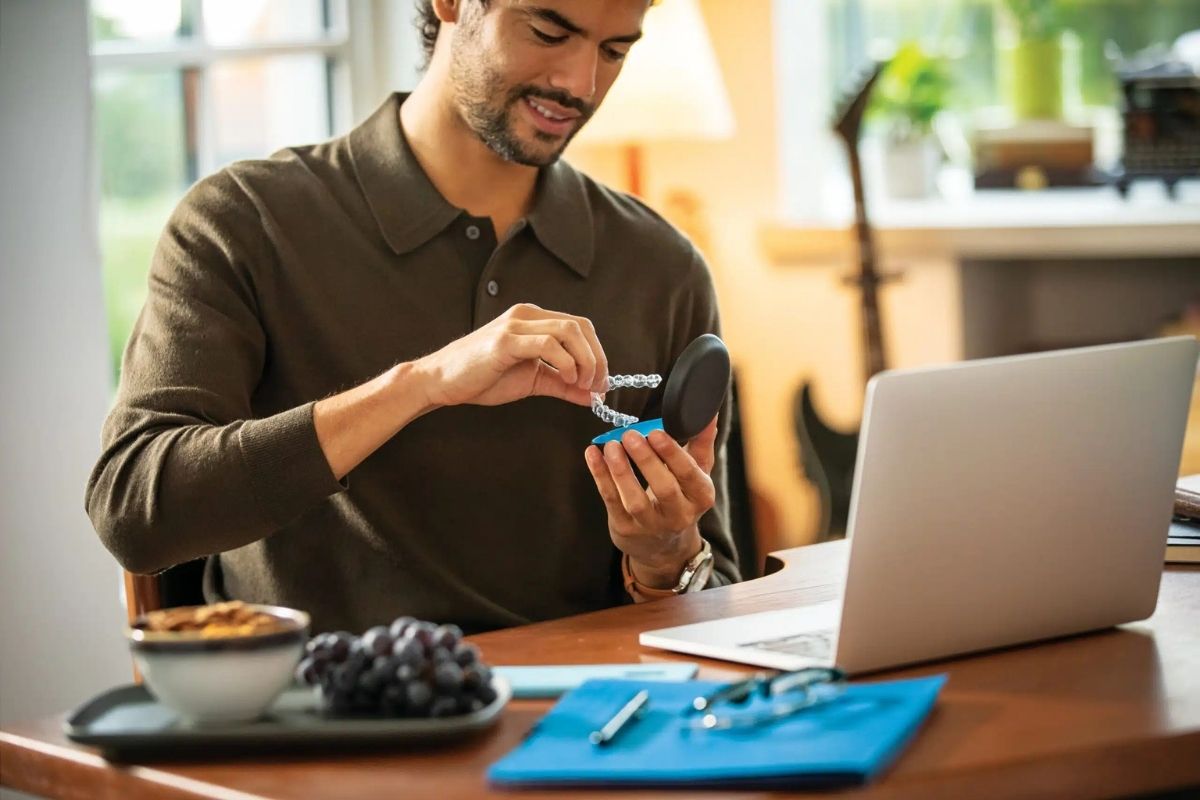
"Am I Too Old for This?"
It's the question I hear most from adult patients. And the answer is always the same: if your teeth and gums are healthy, age is not a barrier to orthodontic treatment.
I've treated patients at 35, 45, 55 – and a remarkable patient who started Invisalign at 73 and achieved an excellent result. Teeth can be moved at any age because the biological process – bone remodelling in response to controlled pressure – works throughout life.
What does change with age is the context:
This means tooth movement may be slightly slower, but it doesn't mean it's less effective. It simply means treatment planning needs to account for the biology.
Crowns, bridges, veneers, implants – these are common in adult patients and require specific planning. Invisalign can work around most restorations, and in many cases, straightening teeth before planned restorative work produces a better and longer-lasting result.
Some adults have early gum disease (periodontitis). Orthodontic treatment on compromised gums can make things worse, which is why any gum issues must be treated and stabilised before starting. At Wassan, our periodontist and orthodontist work together to ensure your foundations are solid.
Teenagers get braces because their parents bring them. Adults choose treatment themselves – and their reasons are varied and deeply personal.
Why Adults Actually Seek Treatment
In my experience, adult patients in Muscat fall into a few common groups:
The relapse patient. Had braces as a teenager – maybe back in India, Pakistan, the Philippines, or elsewhere – but didn't wear retainers consistently. Over 10, 15, 20 years, the teeth gradually shifted back. The lower front teeth crowded. The gap that was closed reopened. They've been bothered by it for years and finally decided to do something about it.
This is one of the most straightforward cases to treat. Previously treated teeth may sometimes be retreated efficiently, depending on gum health, relapse pattern, and the amount of tooth movement required. Retreating relapse is often faster than the original treatment.
They've lived with crooked teeth their entire adult life. Maybe orthodontics wasn't available or affordable when they were young. Maybe they didn't think it was worth it. Now, at 35 or 45, something shifts – a new job, a life event, a photograph they can't stop staring at – and they decide it's time.
Weddings are a major driver for orthodontic treatment in Oman. Brides-to-be (and grooms) want to look their best in photos they'll keep forever. Ideally, treatment should start 12-18 months before the event – but even shorter treatment plans can make a meaningful difference for mild cases.
Their dentist has recommended implants, crowns, or veneers – but the teeth aren't in the right position for ideal restorative work. Moving teeth into the correct alignment first means less enamel removal for veneers, better implant positioning, and more predictable, longer-lasting results. Sometimes what looks like a cosmetic problem is actually an orthodontic one.
This is particularly relevant in Oman. Expat families know their time here may be limited – a contract renewal, a transfer, a return home. They want to complete treatment before relocating, which creates a practical timeline constraint. With careful planning, Invisalign can often accommodate these timelines, and treatment can be continued with another provider if necessary.
What Adult Invisalign Treatment Actually Looks Like
For most adults, Invisalign is the preferred option – and for good reason. No brackets on your teeth. No wires. No one at work needs to know you're in treatment unless you choose to tell them.
Here's what the journey typically involves:
I examine your teeth, bite, and jaw. We take 3D digital scans – no goopy impressions. If you have gum concerns, we assess those too. I'll tell you honestly what treatment can and can't achieve for your specific case.
This is the moment that changes minds. Using ClinCheck software, I show you a 3D simulation of your teeth moving from where they are now to where they'll be at the end of treatment. You see the projected result before committing. For many adults who've spent years imagining what straight teeth might look like, seeing it on screen is surprisingly emotional.
You receive your series of aligners – clear, removable, comfortable. Wear them 20-22 hours a day. Swap to the next set on schedule. Come in for check-ups every 6-10 weeks. Life continues normally between appointments.
This is critical for adults – especially relapse patients. After treatment, you'll wear retainers to maintain your result. I recommend lifelong night-time retention. The teeth that shifted once will try to shift again if you don't hold them.
Addressing the Concerns Adults Have
"I don't want people to see I'm wearing braces." They won't. Invisalign aligners are virtually invisible. Most patients report that colleagues and friends don't notice unless told.
"I'm too busy for monthly appointments." Adult Invisalign patients typically visit every 6-10 weeks. I often provide multiple sets of aligners at once, so you're managing your own progress between visits. For professionals with packed schedules, this works well.
"Will it hurt?" Each new set of aligners creates mild pressure for a day or two. Most adults describe it as "awareness" rather than pain. It's far less intrusive than fixed braces.
"I have crowns / veneers / a bridge." In most cases, these aren't a barrier. Treatment is planned around existing restorations. Aligners can move natural teeth even when adjacent teeth have crowns or veneers.
"What about Ramadan?" This comes up every year. You can remove aligners for suhoor and iftar meals. The key is wearing them for the required hours overall. With some schedule adjustment, patients manage Ramadan without disrupting treatment.
"I can't afford it right now." Flexible installment plans mean you don't pay everything upfront. Many insurance plans in Oman include orthodontic coverage. And the cost spread over 12-18 months is often more manageable than patients expect.
Al-Julanda's Story
Al-Julanda came to Wassan feeling awkward about his smile. It affected his confidence socially and professionally. After two and a half years of Invisalign treatment, his own words sum it up: the transformation went from "awkward to awesome."
Stories like his remind me why I do this work. Adult orthodontics isn't vanity. It's about removing a barrier that has quietly shaped how someone moves through the world – how they smile, how they speak in meetings, whether they show their teeth in photographs, whether they feel fully themselves in social situations.
That's worth investing in, at any age.
Frequently Asked Questions
Am I too old for orthodontic treatment?
Is Invisalign suitable for adults?
Can I have Invisalign with crowns or veneers?
How long does adult Invisalign take?
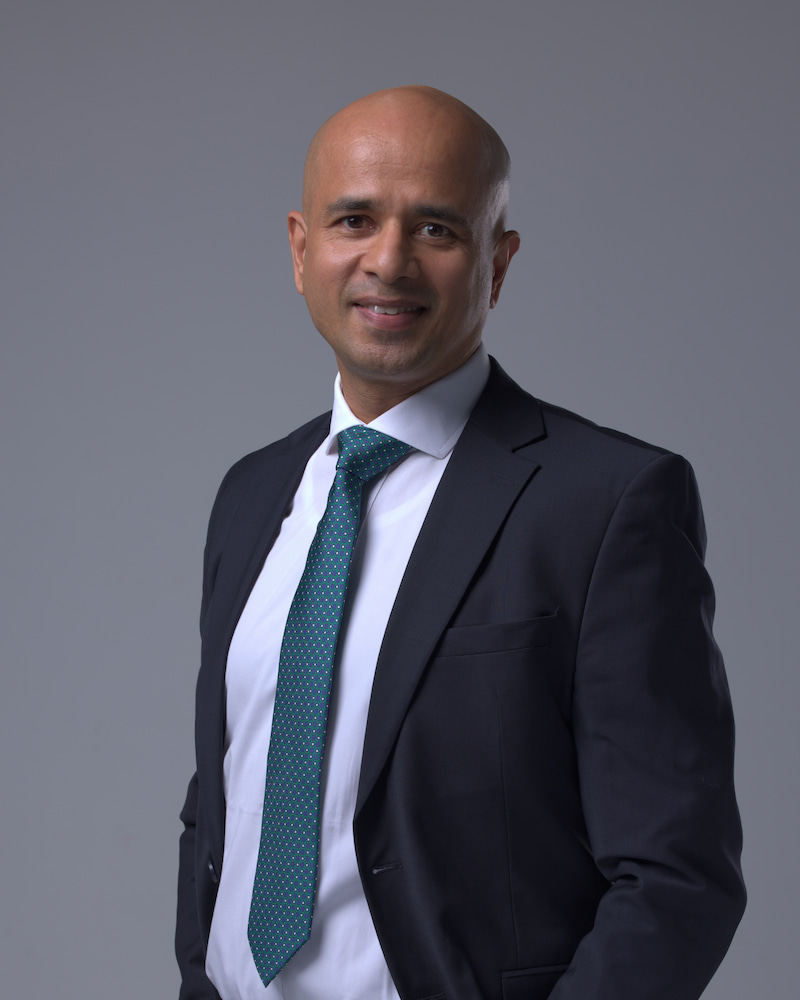
About the Author
Dr. Siju George is a Specialist Orthodontist and Blue Diamond Invisalign Provider at Wassan Specialty Dental Centre, Muscat. With 20+ years of experience and over 12,000 cases treated, Dr. George holds an MSc in Aligner Orthodontics from the University of Turin and is the only Blue Diamond Invisalign Provider in Oman.
Book a Consultation with Dr. Siju George
Wassan Dental Centre, Al Khuwair, Muscat. Open Saturday – Thursday, 9:00 AM – 8:30 PM. A clinical examination and digital scan can show you what treatment involves — with no pressure and no obligation.